Xero vs QuickBooks: Which Platform Works Best for Offshore Teams?
As offshore accounting and bookkeeping continue to grow, businesses are paying closer attention to the accounting platforms that power their remote finance operations. Choosing the right software can significantly impact communication, reporting accuracy, workflow efficiency, and scalability across offshore teams.
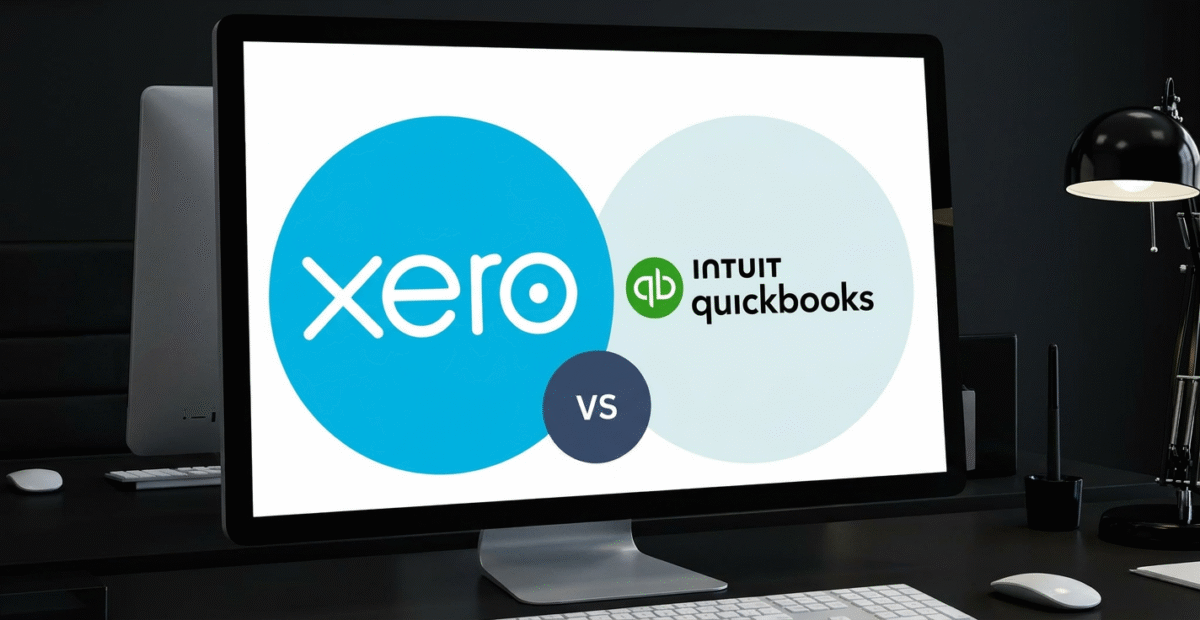
Two platforms consistently dominate the conversation: Xero and QuickBooks.
Both platforms are widely used by businesses worldwide and support cloud-based accounting, automation, bank reconciliation, payroll integrations, and financial reporting. However, when managing offshore bookkeeping and accounting teams, the differences between the two platforms become much more important.
The right accounting system should not only support daily bookkeeping tasks but also improve collaboration between onshore and offshore staff while maintaining visibility, security, and operational efficiency.
For businesses building offshore finance teams, understanding how Xero and QuickBooks compare can help prevent workflow bottlenecks and improve long-term scalability.
Why Cloud Accounting Platforms Matter for Offshore Teams
Cloud accounting software has transformed how businesses manage remote finance operations. Instead of relying on local servers or desktop-based accounting systems, offshore teams can securely access financial data from anywhere while working in real time.
This creates several advantages for offshore accounting operations:
- Faster collaboration between teams
- Real-time financial reporting
- Improved workflow visibility
- Easier document sharing
- Automated reconciliation processes
- Reduced manual data entry
- Better scalability for growing businesses
Both Xero and QuickBooks are designed to support cloud-based accounting workflows, making them highly suitable for offshore bookkeeping and finance teams.
Overview of Xero
Overview of Xero
Xero is a cloud-first accounting platform widely used by small to mid-sized businesses, particularly in Australia, New Zealand, the UK, and growing US markets.
The platform is known for:
- Clean user interface
- Unlimited user access on most plans
- Strong bank reconciliation features
- Automation tools
- Extensive third-party integrations
- Real-time collaboration
Xero is especially popular among businesses working with remote accountants and offshore bookkeeping teams because of its accessibility and collaborative design.
One of Xero’s biggest advantages is that multiple team members can work simultaneously without major access restrictions.
Overview of QuickBooks
QuickBooks remains one of the most widely used accounting platforms globally, particularly among US-based businesses.
The platform is known for:
- Strong reporting capabilities
- Extensive payroll tools
- Advanced accounting features
- Broad market adoption
- Flexible business scaling
- Large ecosystem of integrations
QuickBooks Online has evolved significantly over the years and now offers robust cloud functionality that supports offshore accounting operations effectively.
Because of its strong presence in the US market, many offshore accountants and bookkeepers already have extensive QuickBooks experience.
Xero vs QuickBooks for Offshore Teams
While both platforms are highly capable, offshore accounting teams often prioritize different factors than traditional in-house accounting departments.
The most important considerations typically include:
| Feature | Xero | QuickBooks |
|---|---|---|
| Ease of Collaboration | Excellent for multiple users | Strong but more permission-based |
| User Interface | Clean and modern | More feature-heavy |
| Scalability | Strong for SMBs | Strong for SMBs and enterprises |
| Reporting Tools | Good reporting | More advanced reporting |
| Learning Curve | Easier for beginners | Slightly steeper |
| Integrations | Extensive app ecosystem | Extensive app ecosystem |
| Payroll Features | Limited in some regions | More comprehensive |
| Offshore Team Accessibility | Excellent cloud accessibility | Very good cloud accessibility |
| Multi-User Access | Unlimited users on many plans | User limits based on plan |
| Popularity in US Market | Growing rapidly | Extremely dominant |
Both systems support offshore bookkeeping operations effectively, but the ideal choice depends heavily on business structure, reporting complexity, and workflow requirements.
Why Many Offshore Teams Prefer Xero
Xero has become particularly popular among offshore bookkeeping teams because of its simplicity and collaborative design.
One major advantage is unlimited user access on several subscription tiers, allowing businesses to provide access to multiple offshore bookkeepers, accountants, managers, and advisors without additional user costs.
This makes collaboration significantly easier for growing offshore teams.
Xero also offers:
- Streamlined bank reconciliation
- Real-time dashboard visibility
- Easy document attachment
- Strong automation workflows
- Intuitive navigation
For businesses that prioritize simplicity and operational efficiency, Xero often provides a smoother day-to-day experience.
Many companies that outsource bookkeeping in the Philippines also favor Xero because it allows offshore staff and local management teams to collaborate efficiently in real time without complicated system restrictions.
Why QuickBooks Remains Popular for Offshore Accounting
Despite Xero’s growing popularity, QuickBooks continues to dominate among US businesses.
One major reason is familiarity. Many accountants, bookkeepers, and finance managers already have years of experience using QuickBooks, making onboarding easier for offshore teams.
QuickBooks also offers:
- Advanced financial reporting
- Strong budgeting capabilities
- Industry-specific features
- Comprehensive payroll functionality
- Deep integration with US financial systems
For larger businesses or companies with more complex accounting needs, QuickBooks often provides stronger financial controls and reporting depth.
QuickBooks can also be highly effective for offshore teams when proper permissions and workflow structures are implemented.
Which Platform Is Easier for Offshore Collaboration?
When evaluating offshore collaboration specifically, Xero generally has the advantage in usability and simplicity.
The platform was built around cloud accessibility from the beginning, making it easier for distributed teams to work simultaneously.
Benefits of Xero collaboration include:
- Cleaner interface for offshore staff
- Faster onboarding
- Easier navigation
- Better real-time collaboration
- Simplified approval workflows
QuickBooks, while powerful, can sometimes feel more complex for new offshore team members due to its broader feature set and layered permissions structure.
However, businesses with established QuickBooks workflows may find transitioning unnecessary if processes are already operating efficiently.
Security and Access Control Considerations
Security remains one of the biggest concerns when managing offshore accounting operations.
Fortunately, both Xero and QuickBooks provide strong cloud-based security features, including:
- Multi-factor authentication
- User permissions
- Encrypted data
- Activity tracking
- Secure cloud access
Businesses should still implement internal controls such as:
- Role-based permissions
- Approval workflows
- Regular audits
- Restricted administrative access
- Secure password management
Cloud accounting systems allow offshore teams to work securely without requiring businesses to transfer sensitive financial data through unsecured channels.
Integration Capabilities for Offshore Workflows

Modern offshore finance operations rely heavily on integrations.
Both Xero and QuickBooks integrate with a wide range of tools, including:
- Payroll software
- CRM systems
- Payment processors
- Inventory management systems
- Expense management platforms
- Reporting dashboards
QuickBooks is often favored for larger integration ecosystems within the US market, while Xero is known for its strong integration flexibility among smaller and mid-sized businesses.
The right choice depends largely on the existing systems already used within the business.
Which Platform Works Best for Growing Businesses?
Scalability is another important factor when building offshore accounting teams.
Xero works exceptionally well for:
- Startups
- Small businesses
- Agencies
- Service-based companies
- Growing SMBs
QuickBooks is often preferred by:
- Larger businesses
- Complex accounting environments
- Companies with advanced reporting needs
- Businesses with multi-department financial structures
Both systems can scale effectively, but businesses should consider long-term operational requirements before committing fully to one platform.
Choosing the Right Platform for Your Offshore Team

There is no universal winner between Xero and QuickBooks because every business has different accounting workflows, operational goals, and team structures.
Xero often performs better for businesses that prioritize:
- Simplicity
- Collaboration
- Ease of use
- Flexible offshore access
- Fast onboarding
QuickBooks is often the stronger choice for businesses that require:
- Advanced reporting
- Complex accounting controls
- US-focused accounting systems
- Larger-scale financial operations
Ultimately, the best platform is the one that aligns with the business’s workflows, reporting needs, and offshore collaboration requirements.
Build a More Efficient Offshore Accounting Workflow
The success of an offshore accounting team depends on more than hiring skilled professionals. The accounting platform itself plays a major role in communication, efficiency, scalability, and financial visibility.
Both Xero and QuickBooks are powerful cloud accounting systems capable of supporting offshore bookkeeping and accounting operations effectively. The ideal choice depends on how the business operates, the complexity of financial reporting requirements, and how teams collaborate daily.
Businesses focused on streamlined collaboration and ease of use may lean toward Xero, while companies requiring deeper financial controls and advanced reporting may find QuickBooks more suitable.
Building the right offshore accounting workflow starts with selecting systems that improve visibility, simplify communication, and support long-term growth.
To explore offshore bookkeeping and accounting solutions tailored to your business, contact EVES today.