
Why the Philippines remains a Global Leader in Offshore Staffing in 2026
Offshore staffing has become a long-term operational strategy for businesses worldwide. What was once viewed primarily as a cost-saving solution is now recognized as a practical way to improve scalability, solve talent shortages, support remote operations, and create more efficient business structures.
As businesses continue adapting to hybrid work, global hiring, and rising labor costs in 2026, the Philippines remains one of the most trusted offshore staffing destinations in the world.
Companies across the US, Australia, the UK, and other international markets continue building offshore teams in the Philippines for customer support, accounting, bookkeeping, payroll, IT, virtual assistance, creative services, administration, and back office operations. The country’s long-standing outsourcing infrastructure, highly skilled workforce, English proficiency, and cultural compatibility continue to make it a preferred location for offshore staffing.
The Philippines is no longer viewed simply as an outsourcing destination for call centers. It has evolved into a mature offshore staffing hub capable of supporting specialized business functions across multiple industries.
Why Offshore Staffing Continues to Grow in 2026
Businesses in 2026 are facing several ongoing challenges:
- Rising labor costs
- Talent shortages
- Increased operational overhead
- Difficulty scaling internal teams
- Remote workforce management demands
- Pressure to improve efficiency
- Growing administrative workloads
At the same time, businesses need more flexibility. Companies want access to skilled professionals without dramatically increasing fixed operating costs.
Offshore staffing helps solve these problems by allowing businesses to build dedicated remote teams that support operations, customer service, finance, administration, marketing, and technical work from overseas locations.
The Philippines continues to lead this space because it offers a strong combination of workforce quality, affordability, scalability, and business alignment.
What Makes the Philippines Different From Other Offshore Destinations
Several countries compete in the global outsourcing market, but the Philippines continues to stand out for reasons that go beyond labor costs.
The country has built a mature offshore services industry supported by decades of experience working with international businesses. Filipino professionals are highly familiar with Western business communication, remote collaboration tools, customer service expectations, and offshore workflows.
Key advantages include:
| Advantage | Why It Matters for Businesses |
|---|---|
| Strong English proficiency | Supports communication with international clients and teams |
| Cultural compatibility | Makes collaboration smoother with Western businesses |
| Skilled workforce | Provides access to professionals across multiple industries |
| Competitive labor costs | Helps businesses reduce overhead while scaling |
| Remote work adaptability | Supports distributed and hybrid work environments |
| Established outsourcing industry | Creates operational stability and scalability |
| Service-oriented work culture | Supports customer-facing and operational roles effectively |
These factors continue to strengthen the Philippines’ position as a leading offshore staffing destination in 2026.
English Proficiency Remains a Major Competitive Advantage
Communication plays a major role in offshore staffing success. Businesses need offshore professionals who can communicate clearly with customers, managers, vendors, and internal teams.
The Philippines remains one of the strongest English-speaking countries in Asia. English is widely used in education, business, media, and professional environments, making communication easier for US and Western companies.
This advantage is especially important for roles involving:
- Customer service
- Virtual assistance
- Executive support
- Accounting and bookkeeping
- Sales support
- Technical support
- Administrative coordination
- Project management
Strong communication reduces misunderstandings, improves workflow efficiency, and allows offshore teams to integrate more naturally into day-to-day operations.
Businesses Need Scalable Staffing Solutions
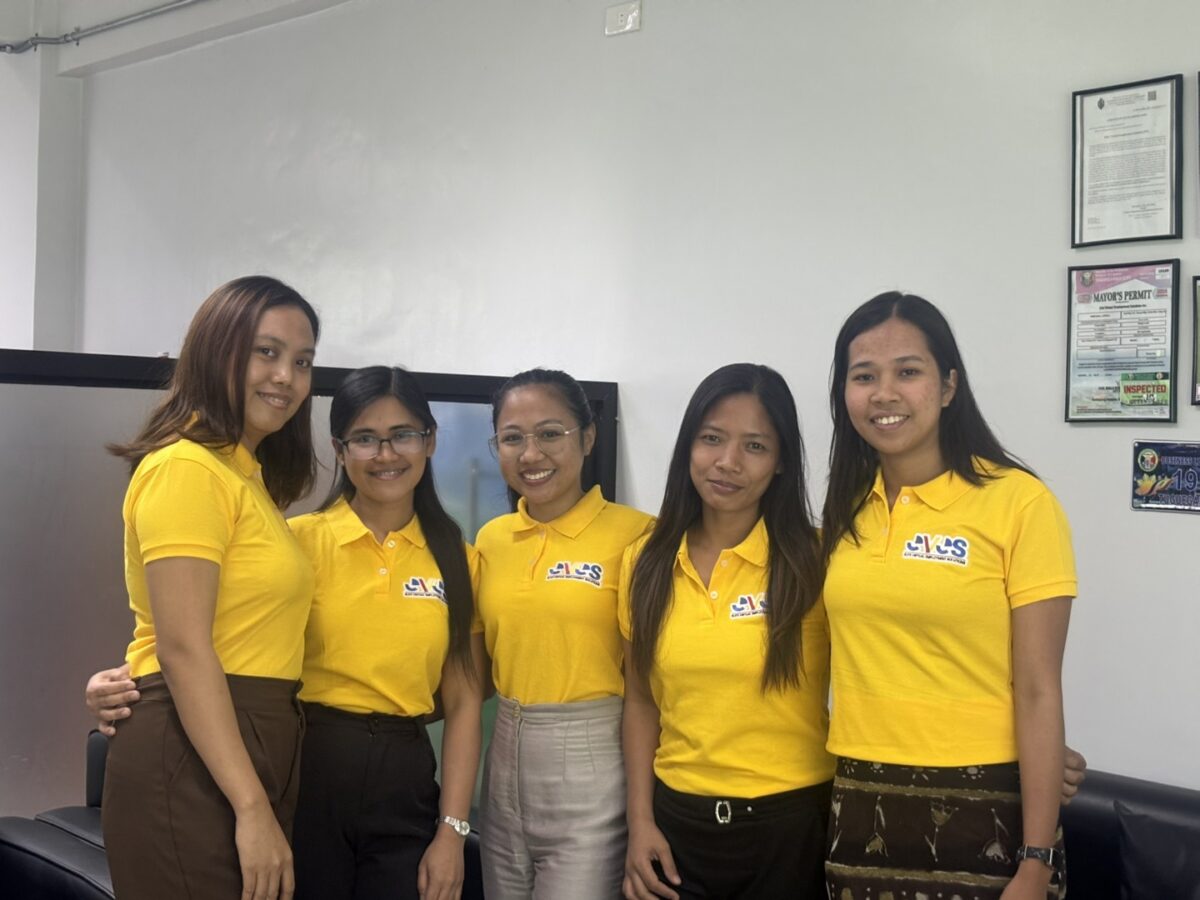
Scalability is one of the biggest reasons businesses continue investing in offshore staffing.
Many companies no longer want to commit to large local hiring expansions when workloads fluctuate or growth projections change. Offshore staffing allows businesses to scale teams more flexibly based on operational demand.
For example, a company may begin with:
- One virtual assistant
- Two customer support agents
- A small bookkeeping team
- A payroll support specialist
- One offshore web developer
As operations grow, the offshore team can expand without requiring significant office expansion, local recruitment overhead, or increased infrastructure costs.
This flexibility is particularly valuable for startups, agencies, eCommerce companies, professional service firms, and rapidly growing businesses.
Skilled Offshore Talent Is More Accessible Than Ever
In earlier years, offshore staffing was often associated with repetitive administrative work. In 2026, businesses are increasingly hiring offshore professionals for highly skilled roles.
The Philippines now supports offshore staffing across areas such as:
- Accounting and bookkeeping
- Payroll support
- IT and technical support
- Software development
- Graphic design
- Video editing
- Customer service
- Marketing support
- Executive assistance
- HR administration
- Data analysis
- Operations support
This expansion of offshore talent availability has helped businesses move beyond transactional outsourcing into long-term operational support.
Companies are no longer simply outsourcing tasks. They are building dedicated remote teams integrated into daily business functions.
The Philippines Continues to Deliver Cost Efficiency

Cost savings remain an important factor in offshore staffing decisions, especially as businesses manage inflation, wage increases, and rising operational expenses in many Western markets.
Hiring offshore professionals in the Philippines often allows businesses to reduce labor costs significantly while still maintaining strong work quality and operational consistency.
However, the value is not just about lower salaries.
Businesses also reduce costs related to:
- Office space
- Utilities
- Equipment
- Recruitment expenses
- Employee benefits
- Local payroll overhead
- Administrative staffing costs
This creates more financial flexibility while helping businesses maintain productivity and service quality.
Offshore Staffing Is More Than Customer Support
The Philippines became globally recognized through the growth of the BPO and call center industry, but offshore staffing in 2026 now covers far more than customer service.
Businesses increasingly use offshore teams for operational support, technical functions, finance, marketing, and creative work.
Today, offshore staffing models commonly support:
| Department | Common Offshore Roles |
|---|---|
| Finance | Bookkeepers, accountants, payroll support |
| Administration | Virtual assistants, executive assistants |
| Customer Support | Phone, chat, email, technical support |
| IT | Developers, IT support specialists, QA testers |
| Marketing | Social media coordinators, SEO support, content assistants |
| Creative | Graphic designers, video editors |
| Operations | Data entry, reporting specialists, CRM administrators |
This diversification is one of the reasons the Philippines continues to grow as a strategic offshore staffing destination.
Strong Remote Work Infrastructure Supports Offshore Growth
Remote work has become standard across many industries, and the Philippines has adapted quickly to support distributed work environments.
Cloud platforms, collaboration tools, and remote communication systems now allow offshore teams to integrate seamlessly into international businesses.
Filipino offshore professionals commonly work with:
- Slack
- Microsoft Teams
- Zoom
- Google Workspace
- Microsoft 365
- Asana
- Trello
- ClickUp
- HubSpot
- Salesforce
- Xero
- QuickBooks
This familiarity with modern business systems makes onboarding faster and improves operational continuity.
Why Businesses Continue Choosing Dedicated Offshore Teams
Many businesses are moving away from fragmented freelancer models and instead building dedicated offshore teams that operate as long-term extensions of the business.
Dedicated offshore staffing offers several advantages:
- More consistency
- Better accountability
- Stronger process familiarity
- Improved communication
- Better operational alignment
- Easier workflow management
- Long-term scalability
This model allows offshore professionals to become fully integrated into the company’s systems, culture, reporting structure, and operational goals.
As a result, offshore staffing is increasingly viewed as a strategic workforce solution rather than short-term outsourcing.
The Philippines Maintains Strong Industry Experience
One reason the Philippines continues leading the offshore industry is its deep experience working with international businesses across multiple sectors.
Filipino professionals are already familiar with:
- US business practices
- Australian operational standards
- International accounting workflows
- Customer service expectations
- Remote management systems
- Western communication styles
This experience reduces onboarding time and helps offshore teams adapt quickly to business requirements.
Many businesses also prefer working with experienced offshore staffing providers because they help manage recruitment, HR, compliance, payroll administration, onboarding, and operational support.
For companies evaluating offshoring companies in the Philippines, operational stability, talent quality, communication standards, and long-term scalability often matter more than simply finding the lowest labor cost.
Offshore Staffing Continues Evolving Beyond Cost Savings
In 2026, offshore staffing is increasingly focused on operational efficiency, scalability, and workforce flexibility rather than simple labor arbitrage.
Businesses are building offshore teams to:
- Improve operational capacity
- Support business growth
- Extend service coverage
- Reduce hiring bottlenecks
- Improve turnaround times
- Strengthen customer support
- Create scalable staffing structures
This shift has helped offshore staffing become more integrated into long-term business planning.
Companies are now treating offshore professionals as core operational contributors rather than external support resources.
Building a More Flexible Workforce for the Future
The Philippines continues to lead offshore staffing in 2026 because it offers more than affordability. Businesses gain access to skilled professionals, strong communication, operational flexibility, and scalable workforce support across multiple industries.
As companies continue adapting to global hiring trends, remote operations, and increasing labor costs, offshore staffing remains one of the most practical ways to build efficient and scalable teams.
Businesses that invest in structured offshore staffing models often improve productivity, reduce operational pressure, and create more room for sustainable growth.
For companies ready to build a dedicated offshore team with the right skills, structure, and long-term support, EVES can help create a staffing solution aligned with business goals. Contact us to discuss the roles your business needs next.