
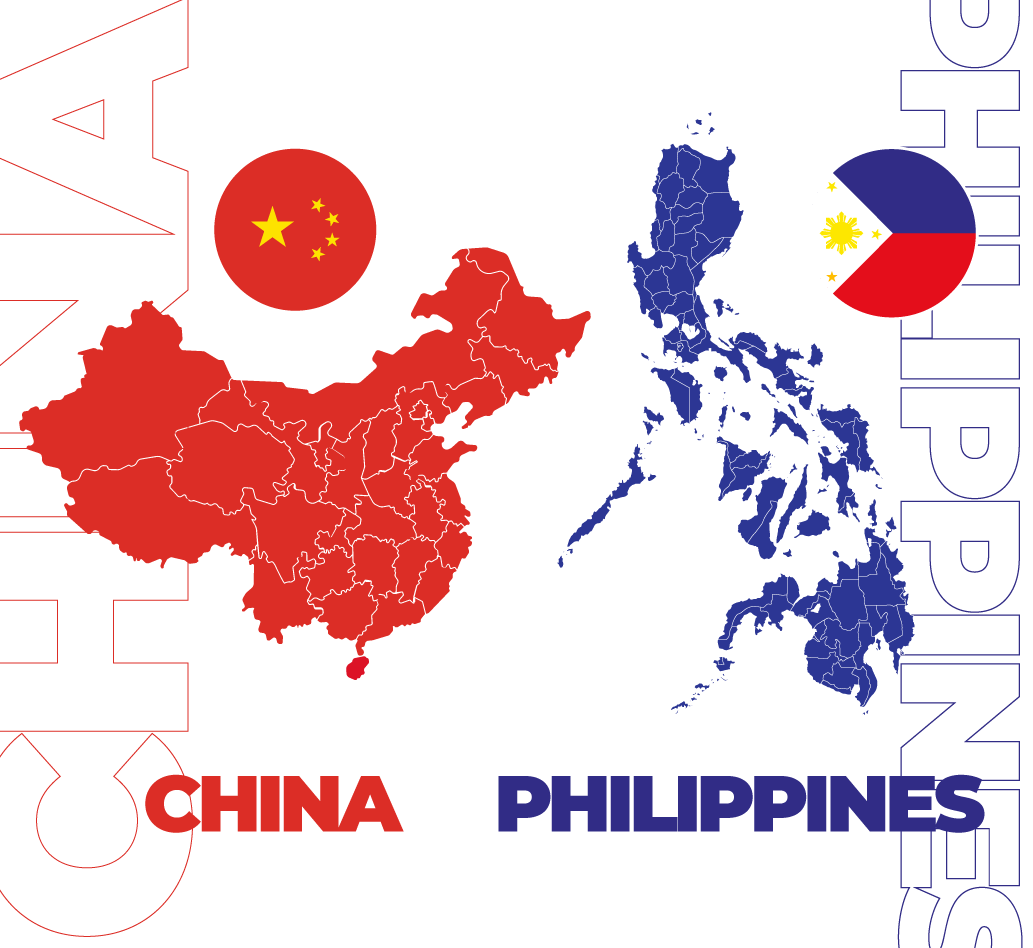
Offshore Accounting Destination Comparison: Philippines vs. China
Asia has long been a giant in the global offshore outsourcing market. Foreign firms such as Amazon, Nike, and Google frequently choose Asia over other outsourcing regions thanks to its cost advantages, skilled talent pool, and established infrastructure.

As global accounting talent shortages intensify, particularly in the US, businesses are increasingly evaluating offshore accounting destinations not just on cost, but on compliance, communication, and long-term reliability.
Overview of China and the Philippines as Offshore Destinations
-
China: A Global Offshoring Powerhouse
China has long been recognized as a global leader in offshoring. Since its government opened the country to foreign investment, it’s become known as the “world’s factory floor,” cementing its reputation for low-cost, high-volume manufacturing.
China’s offshore outsourcing landscape is rooted in major cities like Beijing, Shanghai, and Shenzhen. Its advancements in technology and robust infrastructure make it a preferred destination for companies seeking technical expertise and innovation.
In accounting and finance outsourcing, China is often selected for firms prioritizing scale and internal market familiarity rather than Western regulatory alignment.
-
The Philippines: A Capital in the Global IT-BPM Industry
The Philippines is the 12th most attractive country for offshore services worldwide. It is a key player in Asia’s offshore outsourcing landscape, especially in client-facing, detail-oriented fields like accounting and finance outsourcing. While China excels in technical and manufacturing services, the Philippines has developed a distinct advantage in offshore accounting.
Currently, demand is very high for Filipino professionals, especially in roles requiring specialized skills like technology, finance, and legal outsourcing. Filipino staff are also much sought after for their soft skills – easy to train, highly adaptable, and able to think outside the box.
These strengths make the Philippines particularly well suited for US accounting firms that require accuracy, compliance, and close collaboration with offshore teams.
Philippines Vs. China: Which Country to Choose for Offshore Accounting?
The demand for offshore accountants is rising due to the prevailing shortage of qualified accountants in the US. According to Bloomberg, there are 340,000 fewer accountants today than there were five years ago. As companies struggle to fill these roles locally, offshoring offers a solution to fill the talent gap and maintain operational efficiency.
China and the Philippines are two of the top offshore destinations in Asia. When seeking cost-effective services and highly skilled professionals, companies often find themselves comparing the unique advantages each offers. Are you considering offshoring to one of these two countries? Here is a comparison of their relative strengths.
-
Government Support
The Philippine government actively supports the offshore outsourcing industry because it contributes 7% to the country’s total GDP. The government promotes the BPO industry through programs like the IT-BPM roadmap. Launched in April 2023, the roadmap outlined initiatives to upskill the industry workforce through stakeholder partnerships and training programs. These efforts resulted in 1.7 million new jobs in 2023.
The Philippine government also promotes industry growth through implementation of the following laws:
- R.A. 10844: Department of Information and Communications Technology Act of 2015
This law established the Department of Information and Communications Technology (DICT). The DICT supports BPO companies by ensuring reliable internet connectivity and efficient communication systems.
- R.A. 10173: Data Privacy Act of 2012
The law provides strict data privacy regulations for businesses handling sensitive information. This generates confidence for international clients by assuring global privacy standards for the protection of customer data.
- R.A. 7916: Special Economic Zone Act
This law facilitates the creation of special economic zones, which offer incentives such as tax breaks, exemptions from certain duties, and other business-friendly policies.
While China has its own Five-Year Plans (currently on their 14th!), they are more generalized and not focused on the BPO industry. The country’s outsourcing initiatives are also often overshadowed by broader manufacturing and technology priorities, given China’s status as a manufacturing powerhouse.
For accounting firms, this lack of targeted BPO support can translate into less specialization and weaker long-term incentives for finance-focused outsourcing.
2. Cost-Effectiveness
China’s labor costs were once the lowest in the world. However, economic shifts over the past decade have driven up wages in urban areas, especially where many outsourcing companies are concentrated.
Based on Livingcost’s data, the average monthly salary expectation in the Philippines is around $392, which is significantly lower than China’s $864. Offshoring to the Philippines allows companies to access skilled talents at a fraction of the cost. Moreover, despite lower salaries, the Philippines maintains a high level of service quality, thanks to its English-proficient workforce and cultural adaptability.
For US firms, this cost advantage is especially compelling when combined with the Philippines’ ability to deliver consistent accounting accuracy and compliance.
3. Workforce and Specialized Skills
The Philippines and China both produce skilled accountants and have partnerships with global firms like the Big Four (KPMG, Deloitte, PwC, and EY). However, the two countries differ in their approach to meeting international standards for accounting and auditing.
The Philippines has a highly skilled pool of accountants who are proficient in International Financial Reporting Standards (IFRS), taught at universities and professional accounting programs. After graduation, many Filipino accountants begin their careers with global giants such as Ernst & Young, Deloitte, PwC, KPMG, and Grant Thornton. This experience provides new graduates with valuable exposure to US and international accounting practices, taxation, and legislation, making them excellent partners for American firms.
China’s accounting industry, while large, has faced significant scrutiny over accounting and audit quality. A 2023 inspection by the Public Company Accounting Oversight Board (PCAOB) uncovered widespread issues in their audit reports. The PCAOB’s findings highlight concerns over the quality of financial reporting in China, with firms failing to meet the required standards for US-listed companies. This problem underscores the advantages of choosing offshore accounting services from countries like the Philippines, where international standards and regulatory compliance are more firmly upheld.
For US-listed companies and CPA firms, regulatory alignment and audit reliability are often deciding factors, giving the Philippines a clear advantage.
4. Cultural Compatibility with the West
The Philippines’ deep cultural alignment with the United States has played a significant role in its appeal as an offshore accounting destination. With a history of close ties dating back to the late 19th century, American culture has become deeply embedded in Filipino society. English, the primary mode of communication in schools and workplaces, further facilitates seamless integration with offshore staff in US companies.
In contrast, while China has made strides in modernizing its economy, its cultural and business practices are less aligned with Western norms. Historically, China’s business culture has been shaped by its Confucian values, which emphasize hierarchy, respect for authority, and a more formal, indirect communication style. These cultural differences can sometimes lead to challenges in the fast-paced, collaborative environment often required in Western business settings.
For accounting teams that require frequent communication, deadline-driven collaboration, and direct reporting, cultural compatibility plays a critical operational role.

Offshore Accounting Compliance and Regulatory Risk (Philippines vs. China)
When choosing an offshore accounting destination, regulatory compliance is one of the most critical decision factors for US firms. Accounting teams must adhere to strict financial reporting, audit, and data governance standards, particularly for companies subject to US regulations such as SEC reporting and PCAOB oversight.
The Philippines has a strong compliance advantage due to its alignment with International Financial Reporting Standards (IFRS) and widespread familiarity with US GAAP. Filipino accountants are trained in globally recognized frameworks and often have prior experience working with US CPA firms and multinational corporations. This makes integration into US-based accounting operations far smoother and reduces regulatory risk.
China, by contrast, has faced ongoing scrutiny from US regulators. PCAOB inspections have repeatedly highlighted deficiencies in audit quality and access to working papers. These challenges introduce additional risk for US firms that require transparent, audit-ready financial reporting.
For businesses prioritizing compliance, audit readiness, and regulatory confidence, the Philippines offers a safer and more predictable offshore accounting environment.
Language Proficiency and Communication in Offshore Accounting Teams
Accounting is a detail-driven discipline where clear communication is essential. Misunderstandings in financial reporting, tax preparation, or audit support can lead to costly errors. For this reason, language proficiency plays a major role in offshore accounting success.
The Philippines is consistently ranked among the top English-speaking countries in Asia. English is the primary language of instruction in schools, universities, and professional training programs. Filipino accountants communicate fluently in written and spoken English, enabling seamless collaboration with US clients, controllers, and finance leaders.
In China, English proficiency varies widely and is often limited outside of major urban centers. While technical skills may be strong, communication barriers can slow workflows, increase clarification cycles, and complicate collaboration with US-based teams.
For accounting functions that require regular reporting, client communication, and cross-team coordination, the Philippines provides a clear operational advantage.
Long-Term Cost Predictability and Retention
While initial labor costs matter, long-term cost predictability and employee retention are equally important in offshore accounting. High turnover can disrupt financial operations and increase retraining costs.
The Philippines is known for strong employee loyalty and longer average tenure in offshore roles. This stability allows companies to build institutional knowledge within their offshore accounting teams and maintain consistent reporting quality.
In China, rising wages and competition for skilled talent have increased turnover rates in many professional sectors. This can introduce volatility into long-term offshore accounting strategies.
For companies planning sustainable offshore operations rather than short-term cost savings, the Philippines offers stronger long-term value.
The Philippines: The Leading Destination for Offshore Accounting
Asia, with its strong infrastructure and skilled workforce, has become the go-to destination for firms looking to offshore and outsource. While both China and the Philippines have their advantages, the Philippines stands out for US firms thanks to its cultural alignment, vast talent pool, and proven success in meeting global accounting needs. With its strong cultural ties to the US, a deep pool of qualified talent, and successful offshoring track record, the Philippines makes an ideal partner for American firms seeking cost advantages in today’s fast-changing market.
For businesses prioritizing accuracy, compliance, communication, and long-term scalability, the Philippines consistently emerges as the safer and more strategic offshore accounting destination.
If you’re ready to future-proof your accounting operations with top-tier talent from the Philippines, Elite Virtual Employment Solutions (EVES) offers the expertise and flexibility you need to leverage the advantages of offshore staff.
You can learn more about how EVES can help you build a high-performance offshore accounting team by contacting us at info@evesolutions.net or by reviewing our infographic explaining the offshoring process in 8 easy steps.