How to Hire a Video Editor in the Philippines
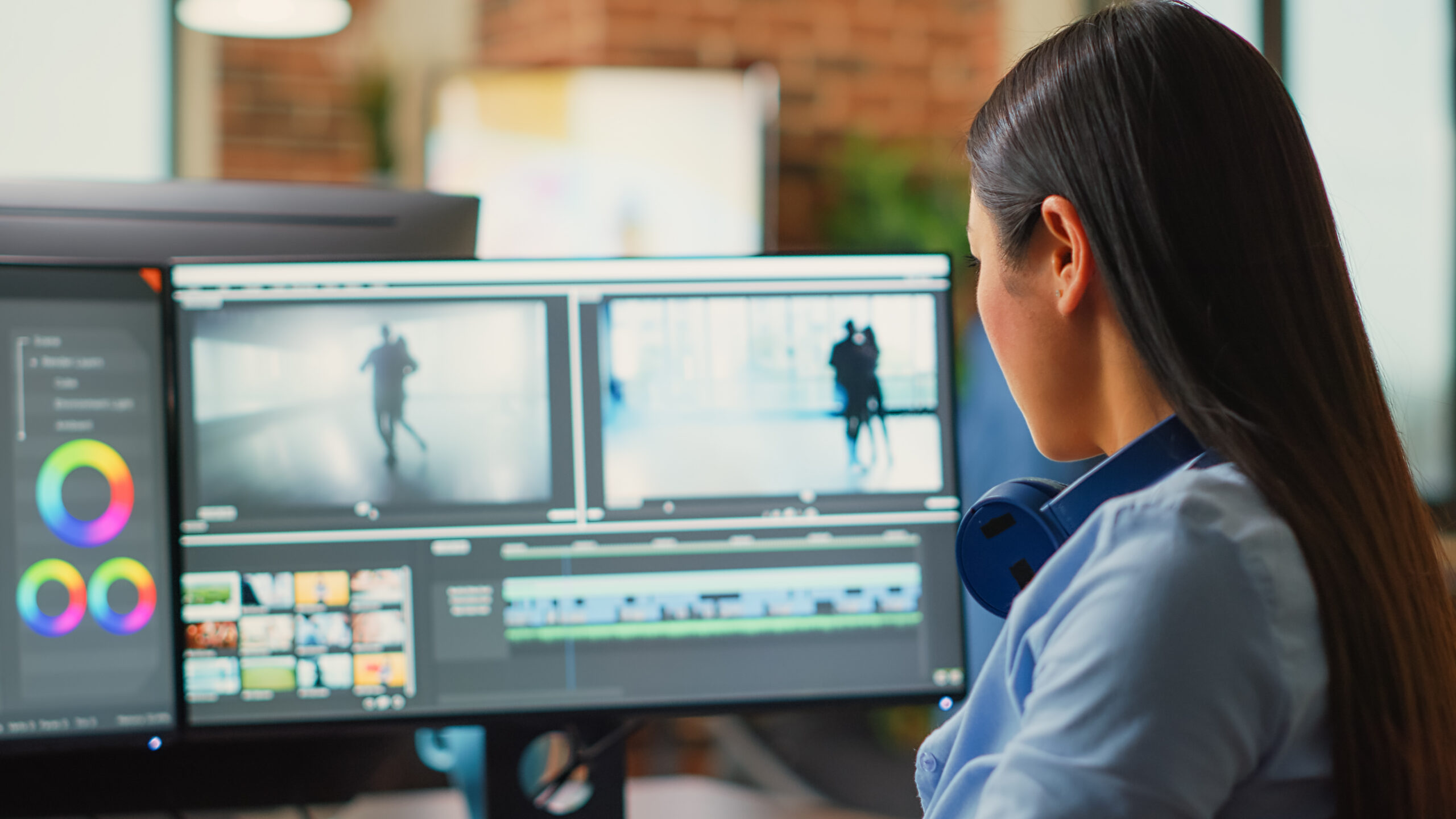
The gap between raw footage and finished content is wider than most people who have not done video production appreciate. It is not just cutting and trimming. It is pacing decisions that determine whether a viewer stays or leaves at the 8-second mark. It is color grading that makes the footage feel cinematic rather than flat. It is audio leveling that makes the dialogue intelligible without the music drowning it out. It is knowing which three seconds of a 40-minute interview carry the point, and which 37 minutes and 57 seconds can go.
That judgment, applied consistently across your content output, is what separates a video library that builds audience from one that sits unwatched. And it is exactly the skill the Philippines has developed in depth, across a creative workforce that has been producing video content for international clients long enough to understand not just the technical craft but the commercial purpose behind it.
This guide covers how to hire a video editor from the Philippines correctly: what to look for, how to evaluate, how to set the engagement up so the output you actually need is the output you consistently get.
Why the Philippines Has a Strong Video Editing Talent Market
Video editing as a professional discipline in the Philippines has grown in direct proportion to the global explosion in video content demand. The same dynamics that made the Philippines the dominant offshore market for customer service and finance have extended into the creative disciplines, and video editing is one of the clearest examples of that expansion.
Philippine universities and technical schools have been producing multimedia arts and digital media graduates for over a decade, many of whom have been placed with international content teams from early in their careers. The working exposure to US and Australian clients has given this generation of video editors something that technical training alone cannot provide: an understanding of what video content is supposed to accomplish for the businesses commissioning it.
A video editor who understands that a 90-second brand video needs to build emotional connection before it makes a product claim, or that a YouTube tutorial needs a hook in the first five seconds or the algorithm punishes it, or that a corporate testimonial should feel authentic rather than rehearsed even when it is scripted, is not applying technique. They are applying commercial judgment. That combination is what the Philippine video editing market increasingly offers, and it is why the businesses using it are producing better content than those still cycling through freelancers on a project basis.
The Range of Video Work You Can Offshore
Video editing is not a monolithic skill. The discipline spans a range of specializations, and the candidate who is exceptional at one may be mediocre at another. Understanding which type of video work your business produces most is the first step in identifying the right candidate profile.
| Video Content Type | Core Skills Required | Typical Output Time | Complexity |
|---|---|---|---|
| Short-form social (Reels, Shorts, TikTok) | Fast pacing, captions, platform-specific formats | 1 to 3 hours per video | Low to Medium |
| Long-form YouTube content | Narrative editing, chapter structure, engagement pacing | 4 to 8 hours per video | Medium to High |
| Brand and corporate video | Storytelling, color grading, music selection, motion graphics | 6 to 12 hours per video | High |
| Podcast video (audiogram or talking head) | Audio sync, caption styling, intro/outro application | 1 to 2 hours per video | Low |
| Product demo and tutorial video | Screen recording integration, annotation graphics, clear pacing | 3 to 6 hours per video | Medium |
| Testimonial and case study video | Narrative selection, B-roll integration, text overlays | 3 to 5 hours per video | Medium |
| Event and webinar recordings | Multi-camera editing, slide integration, chapter marking | 4 to 8 hours per video | Medium |
| Animated explainer video | Motion graphics, character animation, voiceover sync | 10 to 20 hours per video | High |
Two things stand out from this breakdown. First, output time varies enormously across content types, which means the question of how much a dedicated editor can produce per week is not answerable without knowing your content mix. Second, the skill requirements for short-form social editing are genuinely different from those for animated explainer production, which is why a single generic “video editor” job post often attracts candidates whose strengths do not match the actual work.
Defining Your Content Profile Before Writing the Brief
The clarity of your hiring brief determines the quality of your candidate shortlist more than any other single factor. A brief that says “looking for an experienced video editor” attracts everyone. A brief built around your actual content profile attracts the right people.
Your content profile answers four questions.
What formats do you produce most, and at what volume? A business publishing three YouTube videos per month needs different editing capacity from one publishing daily Reels and one monthly brand video. The volume shapes the workflow requirements as much as the format does.
What tools are non-negotiable in your workflow? If your team reviews footage in Frame.io and collaborates in Notion, an editor who has never used either will need ramp-up time that affects your first few weeks of output. Confirming tool alignment before you shortlist saves significant friction.
What does your current footage look like? Footage that arrives organized, labeled, and logged with timecodes is a different editing environment from raw, unlabeled files that need to be reviewed in full before an edit can begin. The more organized your footage input, the faster the editing output, and the clearer you can be with candidates about what their actual working environment looks like.
What is the turnaround expectation per video? Knowing that you expect a first cut within 48 hours of footage delivery, with two revision rounds before final export, gives a candidate a concrete picture of the rhythm they are joining. Expectations discovered after the hire starts are a consistent source of early relationship friction.
How to Evaluate a Video Editor: What Actually Predicts Performance

The portfolio review is the starting point, but it is not the finish line. Video editing portfolios are susceptible to the same distortion as any creative portfolio: they show the best work rather than the typical work, and they cannot show you what the editing process looks like on the other side of the camera.
Three evaluation elements beyond the portfolio tell you more about how the candidate will perform in your specific context.
Ask for a work-in-progress file or project breakdown. Any editor who has been working professionally for more than a year will have the ability to walk you through an editing project: what decisions they made, why they cut where they cut, how they handled a specific challenge in the source material. This conversation surfaces editorial thinking rather than just technical ability. An editor who can articulate why they made specific choices is one who will make defensible choices in your footage when you are not looking over their shoulder.
Set a specific test edit from your own footage. Send a three to five minute clip from your actual content library and ask the candidate to produce a one-minute cut for a specific platform. The instructions should mirror the brief you would actually send: the platform, the target audience, the tone, and any mandatory inclusions. Evaluate the output against three criteria: does it work technically (correct dimensions, audio levels, pacing appropriate for the platform)? Does it reflect the brief (right tone, correct message hierarchy, mandatory elements present)? And does it show editorial judgment beyond technical execution (does the cut they chose actually work as a piece of content)?
Observe how they handle revision feedback. After the test edit, send a round of specific, actionable revision notes and observe the response. Do they acknowledge the notes clearly and confirm their understanding before revising? Do they push back where they have a genuine editorial reason to, or do they simply implement changes without any professional perspective? And does the revised output address the specific notes accurately rather than making adjacent changes that miss the point?
The Setup That Determines Output Quality
Hiring video editor in the Philippines through a quality staffing provider handles the sourcing and screening. What happens in the first two to three weeks of the engagement determines whether that screening pays off.
The working setup that produces strong output from the first month has three components.
A structured asset delivery system. Raw footage should arrive via a defined process: a shared cloud folder (Google Drive, Dropbox, or Frame.io) with a consistent naming convention for files, and a brief document that accompanies each editing project. Editors who receive footage with a clear brief document alongside it start editing faster, ask fewer clarifying questions, and submit fewer first drafts that miss the mark.
A feedback protocol that improves over time. Feedback given in video timestamps is significantly more useful to an editor than feedback written in paragraph form. “At 0:42, the cut feels too abrupt before the music drop” tells the editor exactly what to address. “The pacing feels off in the middle” requires the editor to guess which moment you mean and what the resolution looks like. Investing in a feedback template that your team uses consistently pays off in faster revision cycles across every piece of content.
A realistic ramp-up expectation. The first two weeks of a new editing relationship are calibration weeks, not full productivity weeks. The editor is learning your brand’s visual language, your preferred pacing, which music styles you respond well to, and how you give feedback. Building in an explicit calibration period, with the expectation that you will both be learning from the outputs rather than expecting perfection from day one, produces a faster path to consistent quality than assuming the editor should be performing at full capacity immediately.
Scaling Your Video Output Without Scaling Your Overhead
One of the structural advantages of a dedicated offshore video editor that businesses rarely articulate at the start of the engagement is what it does to their content ambition over time.
When every video requires coordinating a freelancer, rebuilding the brand context, and absorbing the output variance that comes with rotating creative talent, the practical effect is that businesses produce less video than they know they should. The barrier to making another piece of content is high enough that the content calendar gets deprioritized in favor of things that feel more urgent.
When a dedicated editor is in place, producing video stops feeling like a production event and starts feeling like a production function. The content calendar fills up because the capacity exists to fill it. The channel that was neglected because the video production overhead was too high gets activated. The social strategy that existed on a slide deck but never got executed becomes a weekly output.
That expanded content presence is what “expanding reach” actually looks like operationally. It is not a single great campaign. It is consistent, professional video content showing up in front of the audience regularly enough to build the familiarity and trust that eventually converts.
Choosing the Right Provider for a Creative Hire
Creative hires through offshore staffing require a different kind of provider evaluation than functional roles like accounting or IT support. A bookkeeper’s quality can be assessed through technical tests and reference checks that are relatively objective. A video editor’s quality involves aesthetic judgment, creative sensibility, and the ability to understand a brand’s visual language, none of which are binary.
The offshoring provider in the Philippines that delivers strong creative placements is one that has specific experience sourcing and placing creative professionals, not just operational or administrative roles. They understand that a reel review is not sufficient evaluation on its own, that the client needs to see how the editor handles a brief from their specific content library, and that the onboarding process for a creative role has different requirements from a process-driven function.
Providers who approach every placement the same way regardless of function are not the right fit for a creative hire. The nuance required to match a specific brand’s visual sensibility with a specific editor’s strengths is exactly the kind of judgment that distinguishes a good creative staffing partner from a generalist headcount operation.
The Right Editor Makes Your Content Work Harder
Video content that is edited well does more with the same footage. It holds attention longer. It communicates more clearly. It builds the brand impression that makes a viewer trust the business enough to keep watching, subscribe, or click through.
None of that happens from a single great edit. It happens from consistent, skilled editing applied to everything the business produces over months and years. A dedicated offshore video editor from the Philippines, properly matched and properly set up, is what makes that consistency operationally achievable.
EVES places experienced video editors and animators from the Philippines with businesses across content, marketing, e-commerce, SaaS, and professional services. Every placement is matched to the client’s specific content types, tools, and production volume, backed by a satisfaction guarantee, and supported throughout the engagement.
Reach out to EVES here to find the video editor who makes your footage into content your audience actually watches.