

5 Skills That Get You Promoted Faster in an Offshore Accounting Role
Getting hired into an offshore accounting role is one milestone. Getting promoted out of it, into a senior associate, supervisor, or manager position, is a different challenge, and it doesn’t happen just because you’ve been in the seat for a certain number of months.
At EVES, we’ve watched hundreds of accounting professionals move up the ladder, from bookkeeper to senior accountant to team lead to manager. The ones who move fastest usually aren’t the ones with the longest resumes. They’re the ones who’ve built a specific set of skills that make US clients trust them with more responsibility. Here are the five that matter most.
1. Real Excel Fluency, Not Just Familiarity
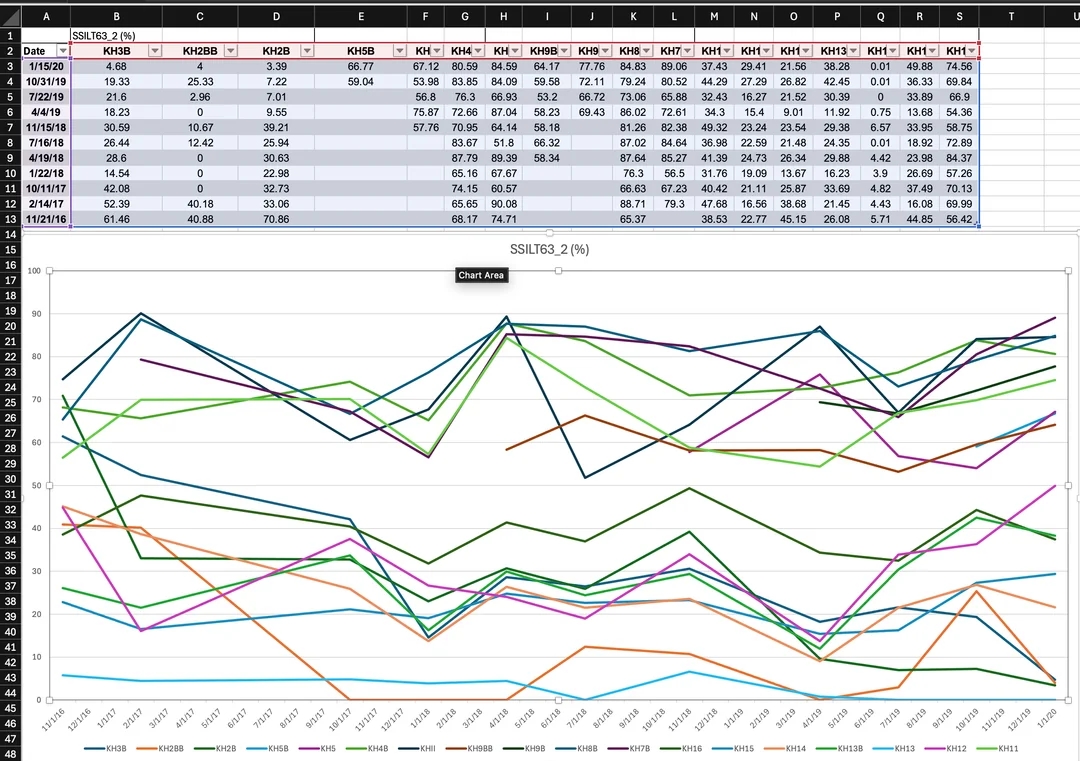
Almost everyone lists “Excel” on their resume. Far fewer can actually build a pivot table from scratch, write a working VLOOKUP or INDEX/MATCH formula, or clean up a messy dataset without breaking it. Offshore accounting work runs on spreadsheets. Reconciliations, reporting, budget tracking, and ad hoc client requests all come back to Excel at some point. If you can move faster and more accurately in a spreadsheet than the people around you, managers notice quickly, and it’s one of the easiest skills to prove in an interview or on the job. How to build it: Practice with real, messy datasets, not just tutorials. Learn pivot tables, basic formulas, and conditional formatting well enough that you don’t have to think about the mechanics.
2. Working Knowledge of US Accounting Standards and Practices
Most EVES clients are US-based, which means the accounting you’re doing follows US GAAP, US tax treatment, and US reporting expectations, not the standards you may have learned in a purely local context.
You don’t need to become a CPA to stand out here. You need to understand the basics well enough that a client doesn’t have to re-explain US-specific concepts every time they come up: how US businesses handle accruals, how payroll and 1099 contractors are treated differently, or why a client’s fiscal year doesn’t match the calendar year.
How to build it: Free resources like the AICPA’s public materials, US GAAP overview courses, and simply paying close attention to how your current clients structure their books will get you most of the way there.
3. Software Fluency Across Multiple Platforms
Different clients use different tools, and the accountants who move up fastest aren’t the ones who are great at one platform. They’re the ones who can pick up a new one quickly.
At EVES, that might mean QuickBooks for one client, Xero or NetSuite for another, and invoice platforms like Ottimate or restaurant-specific systems like Restaurant365 for a third. Managers trust people who can be dropped into a new client’s tech stack without months of hand-holding.
How to build it: Don’t just learn the platform you’re currently assigned to. Spend time in the free trials or demo environments of the major accounting platforms so you’re not starting from zero the next time you’re assigned somewhere new.
4. Communication That Works Across Time Zones and Cultures

Technical skill gets you hired. Communication is often what gets you promoted, because it’s what clients actually remember about working with you.
That means writing emails that are clear and professional without needing three rounds of clarification. It means flagging a problem before a client has to ask about it, not after. And it means understanding that a US client reading your message at 8am their time doesn’t have the context you have, so being specific and complete the first time saves everyone a day of back-and-forth.
How to build it: Before you send an email or message, reread it as if you were the client with zero context. Would they know exactly what you need from them, or would they have to ask a follow-up question you could have answered upfront?
5. Ownership: Flagging Problems Before You’re Asked To
This is the single biggest difference between someone who stays in the same role for years and someone who gets promoted within their first year or two.
Junior accountants wait to be told what to do. The ones who move up notice a discrepancy in an invoice and flag it before anyone asks them to double-check it. They notice a recurring issue in a client’s books and suggest a fix instead of just processing around it every month. They treat the client’s business like it matters, not just like a task list.
How to build it: Start small. Next time you spot something slightly off, even if it’s not officially your job to catch it, say something. Managers remember the person who caught the problem, not the person who processed it correctly by accident.
The Bottom Line
None of these five skills require a new degree or years of extra experience. They’re built through deliberate practice, paying attention, and treating every task like it’s preparing you for the next role, not just completing the one in front of you.
If you’re currently with EVES and thinking about what’s next, talk to your team lead or manager about which of these areas would make the biggest difference for you. And if you’re not with EVES yet, we’re always looking for accounting talent ready to grow into something bigger.