
Avoid These 5 Outsourced Accounting Mistakes
Outsourcing accounting has become a strategic move for businesses looking to reduce costs, improve efficiency, and gain access to specialized expertise. From startups to established enterprises, many organizations are turning to external accounting partners to handle bookkeeping, payroll, reporting, and compliance.
However, while outsourcing can deliver significant benefits, it is not without risks. Many companies rush into outsourcing arrangements without fully understanding the potential pitfalls, only to face operational issues, data inaccuracies, or unexpected costs later on.
In this guide, we’ll walk through the five most common accounting outsourcing mistakes, explain why they happen, and show you how to avoid them. If you’re considering outsourced accounting, or already working with an external provider, this article will help you protect your business and maximize the value of your investment.
Why Accounting Outsourcing Fails for Some Businesses
Accounting outsourcing fails not because the concept is flawed, but because execution often is. Poor planning, unrealistic expectations, and choosing the wrong partner can quickly erode trust and results.
Below, we break down the most frequent accounting outsourcing mistakes businesses make, and how to prevent them.
Mistake #1: Choosing the Cheapest Provider Instead of the Right One
Cost savings are often the primary reason companies outsource accounting, but prioritizing the lowest price above all else is one of the most damaging decisions you can make.
Low-cost providers may:
- Lack qualified accountants or certifications
- Use outdated accounting systems
- Provide minimal quality control
- Assign too many clients to one accountant
- Offer limited accountability when issues arise
While the upfront cost may look attractive, mistakes in financial reporting, missed deadlines, or compliance failures can cost far more in the long run.
How to Avoid This Mistake
Instead of focusing only on price, evaluate providers based on:
- Accountant qualifications and experience
- Industry expertise
- Technology stack and security standards
- Communication and reporting processes
- Proven onboarding and transition methods
A reliable accounting partner should deliver value, not just lower fees.
Mistake #2: Not Clearly Defining Scope, Roles, and Responsibilities
One of the most common accounting outsourcing mistakes is assuming the provider “knows what to do” without clearly defining expectations.
When scope is vague, issues quickly arise:
- Tasks fall through the cracks
- Duplicate work occurs
- Deadlines are misunderstood
- Accountability becomes unclear
For example, who is responsible for reconciliations? Who reviews monthly reports? Who handles year-end adjustments? Without clarity, confusion is inevitable.
How to Avoid This Mistake
Before outsourcing, document:
- Exact tasks being outsourced
- Frequency of deliverables
- Approval and review responsibilities
- Escalation procedures
- Performance benchmarks
A clear scope of work protects both parties and creates a smoother working relationship.
Mistake #3: Overlooking Communication and Time Zone Alignment
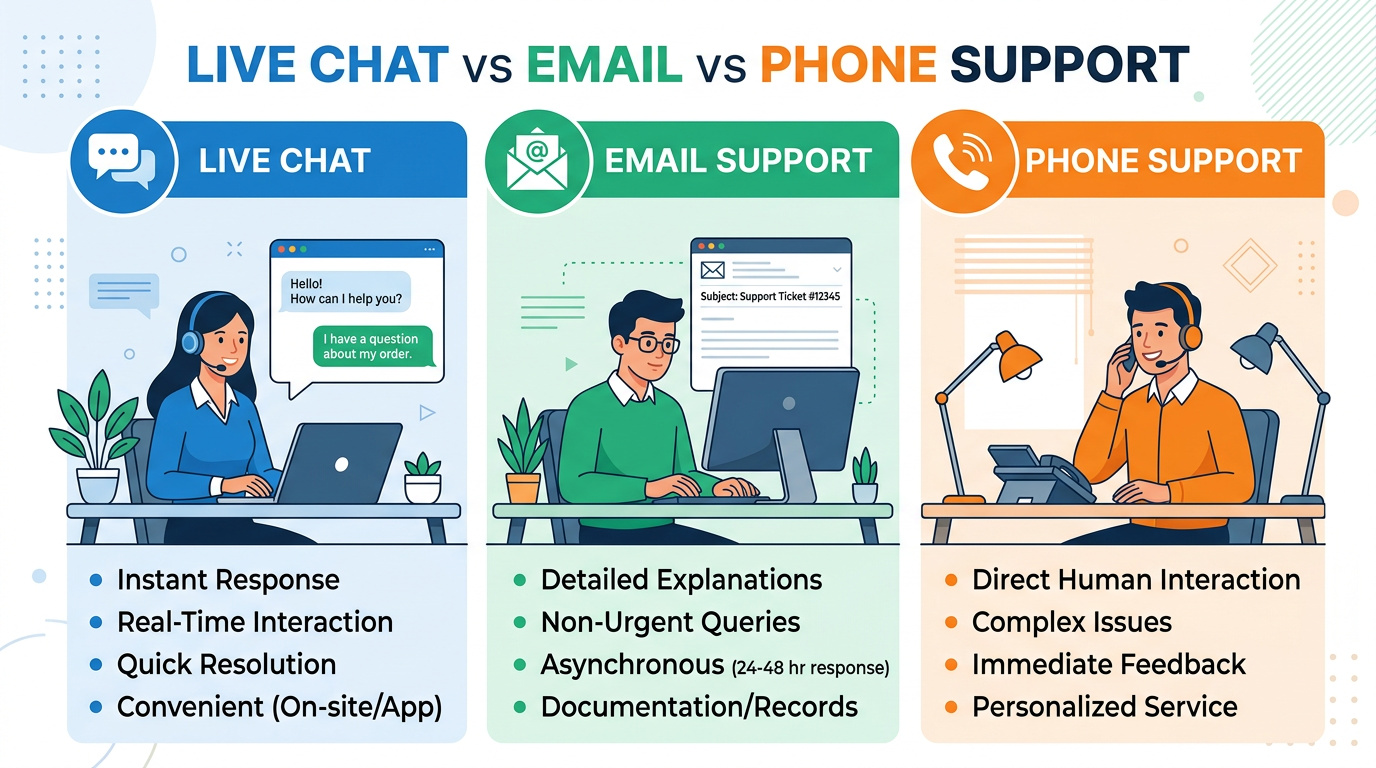
Accounting is not a “set and forget” function. It requires regular communication, context, and alignment with your business operations. Companies often underestimate how critical communication is when working with an external team.
Poor communication leads to:
- Delayed responses
- Incomplete financial information
- Misinterpretation of transactions
- Frustration on both sides
Midway through many outsourcing arrangements, businesses realize that lack of real-time access and communication is slowing them down instead of helping.
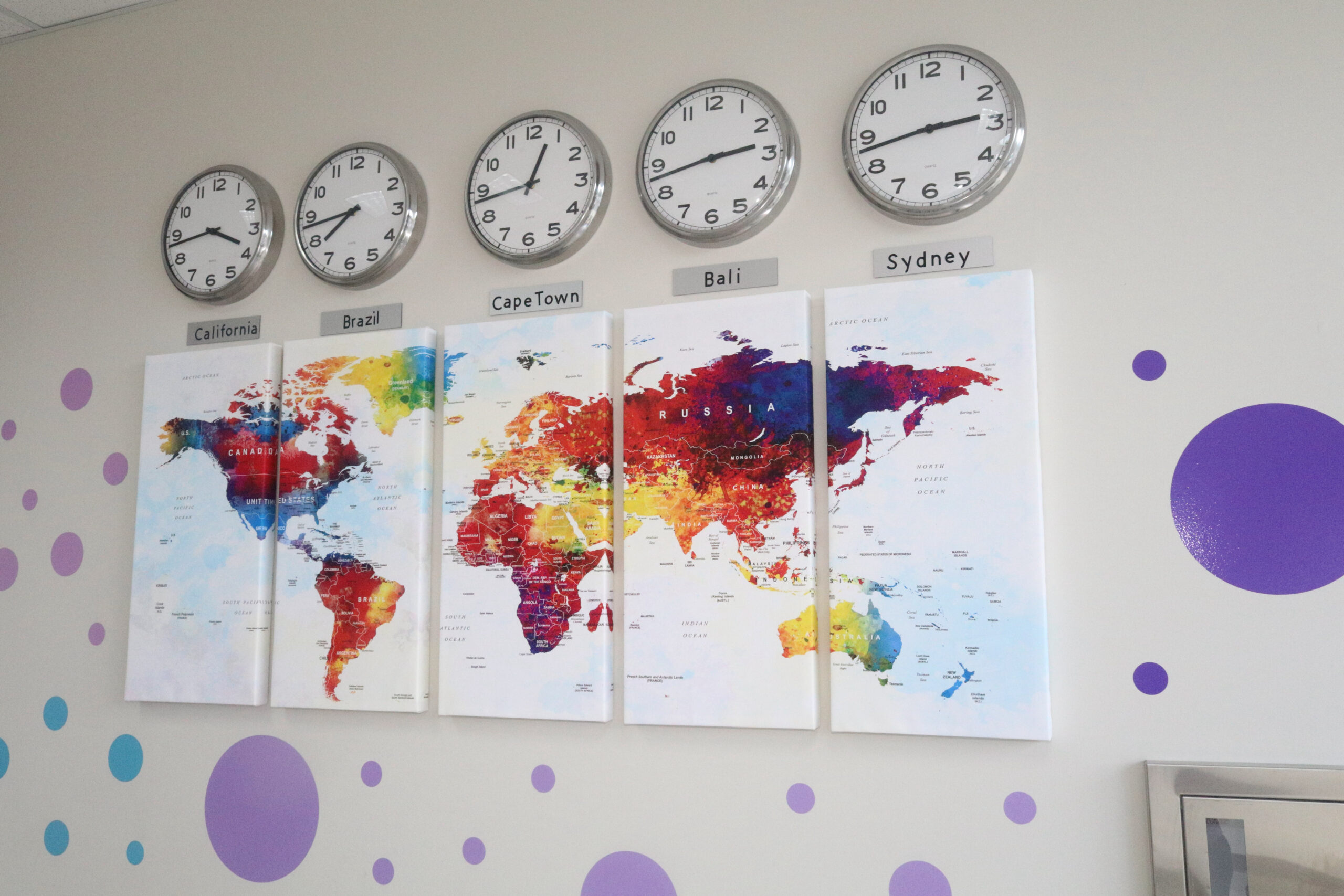
This is especially important for companies that outsource to the Philippines, where time zone planning, structured check-ins, and overlapping work hours must be intentionally designed into the engagement.
How to Avoid This Mistake
Set communication standards upfront:
- Scheduled weekly or monthly check-ins
- Defined response time expectations
- Shared dashboards or reporting tools
- Clear points of contact on both sides
Strong communication turns outsourced accountants into an extension of your internal team.
Mistake #4: Ignoring Data Security and Compliance Risks
Accounting involves sensitive financial data, employee information, tax records, and bank details. One of the most serious accounting outsourcing mistakes is failing to evaluate how well a provider protects this information.
Some risks include:
- Inadequate access controls
- Lack of secure file-sharing systems
- No data encryption policies
- Weak internal controls
- Non-compliance with regulatory requirements
A single data breach or compliance failure can result in financial penalties, reputational damage, and legal exposure.
How to Avoid This Mistake
Before partnering with an accounting provider, confirm:
- Secure IT infrastructure and access controls
- Clear confidentiality agreements
- Compliance with relevant accounting standards
- Regular audits and internal checks
- Controlled permissions for systems like QuickBooks, Xero, or ERP platforms
Security should never be an afterthought.
Mistake #5: Treating Outsourced Accountants as Task Takers, Not Strategic Partners
Many businesses treat outsourced accountants as basic data processors rather than financial professionals who can add strategic value. This limits the true benefits of outsourcing.
When accountants are only told what to do and not why they can’t:
- Identify inefficiencies
- Spot cash flow risks
- Recommend process improvements
- Provide meaningful insights
This transactional approach leads to missed opportunities and underutilized expertise.
How to Avoid This Mistake
Engage your outsourced accountants as partners by:
- Sharing business goals and challenges
- Asking for insights, not just reports
- Involving them in planning discussions
- Encouraging proactive recommendations
The best outsourcing relationships go beyond bookkeeping; they support smarter business decisions.
Common Accounting Outsourcing Mistakes at a Glance
| Mistake | Why It Happens | How to Prevent It |
|---|---|---|
| Choosing the cheapest provider | Focus on short-term savings | Evaluate expertise, systems, and reliability |
| Undefined scope of work | Assumptions and poor planning | Document roles, tasks, and deliverables |
| Weak communication | No structured process | Set check-ins and response expectations |
| Poor data security | Inadequate due diligence | Verify security and compliance standards |
| Transactional mindset | Underestimating expertise | Treat accountants as strategic partners |
Why Getting Accounting Outsourcing Right Matters
Avoiding these accounting outsourcing mistakes isn’t just about preventing problems; it’s about unlocking real business value.
When done correctly, outsourced accounting can:
- Improve financial accuracy and visibility
- Reduce operating costs sustainably
- Free up internal teams for higher-value work
- Strengthen compliance and reporting
- Support smarter, data-driven decisions
The difference lies in choosing the right partner, setting clear expectations, and managing the relationship strategically.
Set Your Outsourced Accounting Up for Success

Outsourcing accounting can be one of the smartest operational decisions your business makes, but only if it’s done right. By understanding and avoiding these common accounting outsourcing mistakes, you position your business for long-term efficiency, accuracy, and growth.
If you’re considering outsourced accounting or want to improve your current setup, partnering with a provider that prioritizes quality, transparency, and collaboration makes all the difference. At EVES, we focus on building reliable accounting teams that integrate seamlessly with your business and support informed financial decision-making.
Ready to outsource accounting the right way? Contact EVES today to discuss your needs and learn how our accounting outsourcing solutions can support your business with confidence and clarity.