
What Makes EVES Different from BPOs in Big Cities?
Walk into any BPO tower in Makati or BGC on a weekday and the scale hits you immediately. Hundreds of workstations. Rotating shifts. A corporate brand layered over everything that makes it hard to tell, from the inside, exactly whose business you are actually supporting. That model has its place. It was built for high-volume, standardized work at enterprise scale, and for that purpose it works.
But not every business needs a seat in a tower. And not every professional wants their career to be defined by one.
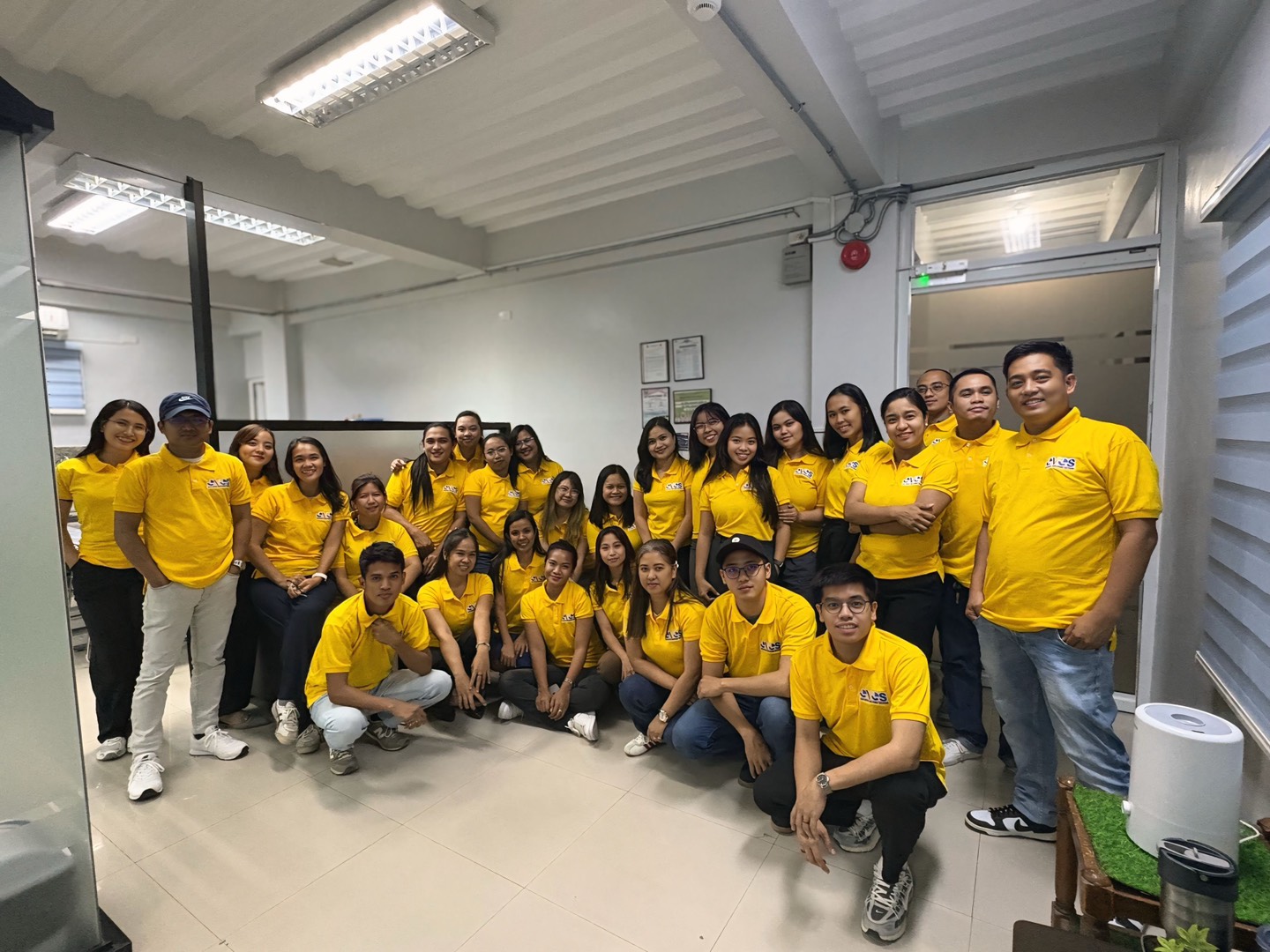
This article looks at what EVES does differently, not just for the businesses that partner with EVES to build their offshore teams, but for the Filipino professionals who choose EVES as the environment where they want to do their best work.
Two Groups. One Question.

The question “what makes EVES different?” gets asked from two very different directions.
A business owner in the US or Australia asks it when they are trying to decide whether to go through a large BPO or a more focused staffing provider. They want to know whether they will get a real relationship or an account number, whether their offshore hire will be dedicated to them or shared across multiple clients, and whether someone will still be paying attention six months after the contract is signed.
A Filipino professional asks it when they are deciding where to take their career. They want to know whether they will be treated as a number in a headcount report or as a professional whose growth and contribution actually matter. They want to know whether the role they are stepping into has room to develop, whether the employer they are supporting will value their work, and whether the organization placing them genuinely has their interests in mind.
EVES answers both questions with the same underlying model. Understanding why starts with understanding what the large BPO model was actually built to optimize.
What the BPO Model Was Designed For (And Where It Falls Short)
Large BPO operations were built around volume. Their business model depends on filling a high number of seats, managing attrition through constant recruitment pipelines, and delivering standardized output across large client accounts. The infrastructure, the processes, and the incentives all point in that direction.
For enterprise clients with hundreds of seats to fill, that model delivers. For SMBs that need one accountant, one virtual assistant, or a small dedicated finance team, the BPO model is a poor structural fit. The client is too small to attract meaningful attention. The professional filling the seat is one of thousands, with limited visibility into career development pathways or the quality of the working relationship they are stepping into.
The attrition numbers in large BPOs are telling. Industry estimates consistently place annual turnover in Philippine BPO centers between 40% and 60%. That churn is not random. It reflects a workforce that is frequently undervalued, routinely managed toward throughput rather than growth, and regularly presented with the next BPO offer as the only visible path forward.
What EVES Looks Like From the Business Side
For a business hiring through EVES, the operational differences from a large BPO show up quickly and consistently.
Recruitment built around your role, not a bench. EVES does not maintain a pool of pre-assigned candidates waiting to be slotted into the next available client request. Every search is conducted specifically for the role, the business context, and the working style of the client. The result is a shortlist of candidates who fit, not a list of whoever is available.
You choose who joins your team. EVES presents shortlisted candidates with full transparency into their background and experience. The client interviews them directly and makes the final hiring decision. No black-box placement. No surprises on day one.
One dedicated professional, not a shared resource. The person EVES places with your business works for your business. Their working hours, their attention, and their professional focus belong to your team and your deliverables.
A relationship that continues after the hire. EVES stays involved after placement. HR administration, employment compliance, and performance support continue throughout the engagement. The relationship does not end when the contract is signed.
| Factor | Large BPO | EVES |
|---|---|---|
| Recruitment approach | Bench-based, availability-driven | Role-specific, client-tailored |
| Candidate selection | Limited client visibility | Client interviews and chooses |
| Staff dedication | Often shared across accounts | Fully dedicated to your business |
| Post-placement support | Minimal once seat is filled | Active throughout the engagement |
| Account attention | Allocated by revenue tier | Consistent regardless of team size |
| Staff attrition risk | High in BPO environments | Lower through better matching and treatment |
What EVES Looks Like From the Professional Side
For a Filipino professional, the difference between a BPO career and an EVES placement is not just about the job description. It is about the quality of the working environment and what the role actually does for your career over time.
You work with one employer who knows your name. BPO environments are managed at scale. Individual professionals are often interchangeable within the system. EVES placements are direct, dedicated relationships between a professional and a specific business. The employer knows who you are, depends on your specific contribution, and notices when you do your job well.
The work is deeper and more varied. BPO roles tend to be defined by narrow, repetitive task structures. An EVES-placed professional, whether an accountant, a virtual assistant, a designer, or a developer, typically works across a wider range of responsibilities within their function. That variety builds professional capability faster than performing the same task across thousands of interactions.
Your growth is visible. In a large BPO, career progression often means moving into a supervisory track within the same narrow function. In an EVES placement, your growth is visible to the employer you work with directly. When you perform well, they know. When you take on more responsibility, it is recognized within a real working relationship rather than logged in an HR system that no one checks.
Your wellbeing is not a headcount problem. EVES is not trying to manage your situation alongside 500 others at the same time. When something is not working, the conversation is direct and the response is proportionate. That is not something large organizations can easily offer.
The Geography Factor: Beyond Metro Manila
Large BPOs are concentrated in a handful of Metro Manila locations where real estate, infrastructure, and existing talent clusters make large-scale operations viable. That concentration creates its own pressures: high cost of living drives salary expectations upward, competition for talent among BPO providers is intense, and professionals in those markets are constantly receiving competing offers.
Professionals considering BPO careers in BGC or Makati are stepping into a market where their value is primarily defined by their replaceability, not their capability.
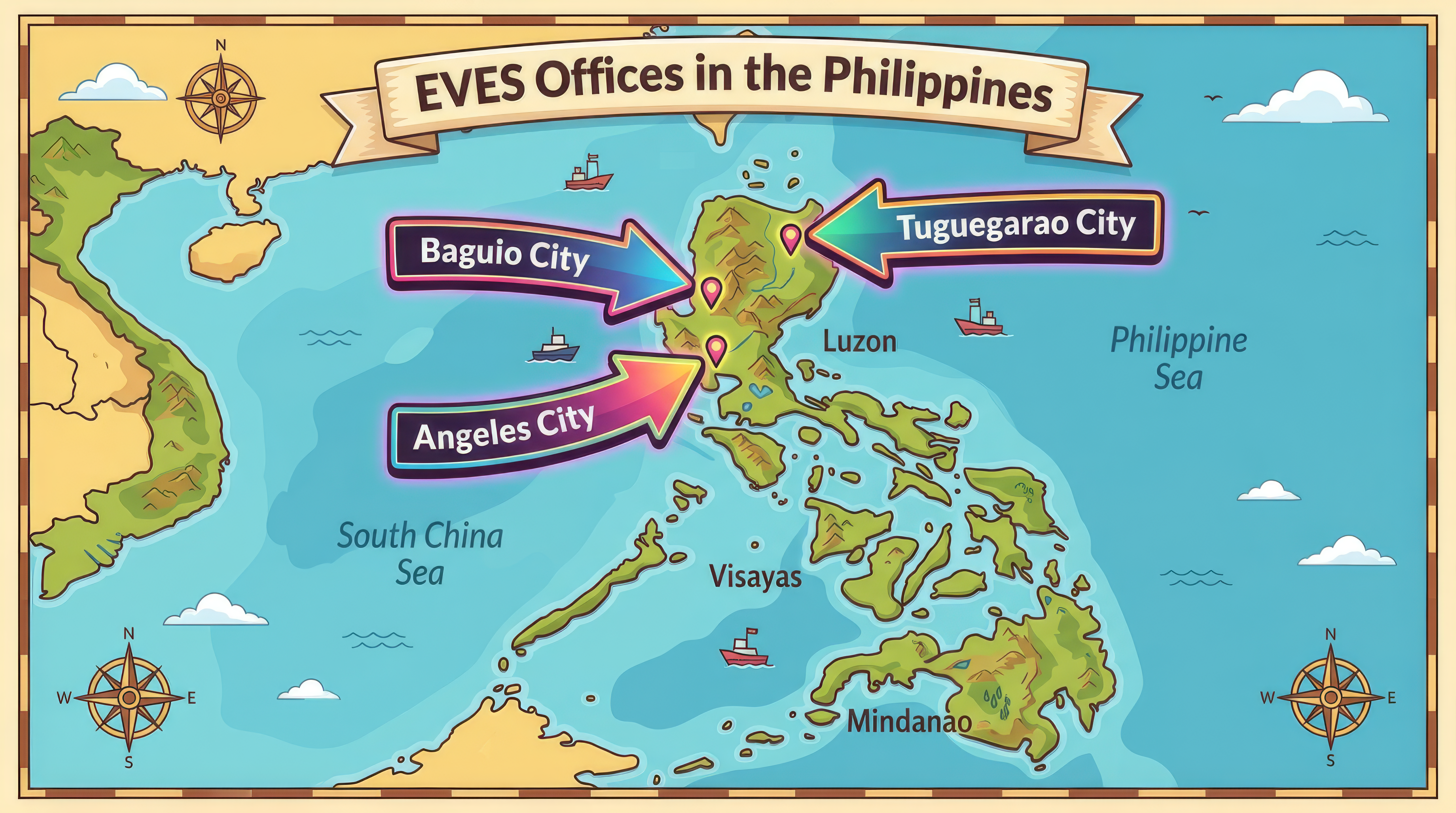
EVES draws from a broader geographic range across the Philippines. That means professionals in cities and regions outside the BPO metro cluster have genuine access to quality offshore employment. And for businesses, it means EVES can source from a talent pool that is less saturated, more stable, and more motivated by the role itself rather than the next incremental salary offer from a competing tower.
The Bigger Picture: Why This Model Matters
When businesses working with offshoring companies in the Philippines evaluate their options, the comparison is not always apples to apples. The BPO model and the dedicated offshore staffing model serve different purposes and produce different outcomes for everyone involved.
For the business, the question is whether they want a vendor relationship or a team. For the professional, the question is whether they want a job or a career relationship.
EVES is built around the second answer to both questions.
Recognition that the Philippines is a Global Hub for Offshore Staffing is well earned and well documented. The country produces exceptional talent across dozens of professional disciplines. What determines whether that talent delivers exceptional outcomes is not the country. It is the model, the relationship, and the care invested in making the match right and the arrangement sustainable.
Whether You Are Hiring or Looking for Your Next Role
The EVES difference is not an abstract positioning statement. It shows up in how clients describe their working relationship, how long EVES-placed professionals stay in their roles, and how often both sides describe the arrangement as something they would not want to go back from.
If you are a business looking for a better way to build your offshore team, or a Filipino professional looking for a placement that treats you as a career professional rather than a seat to fill, the conversation starts in the same place.
Get in touch with EVES here and find out what a different kind of offshoring arrangement looks like from the first call.