
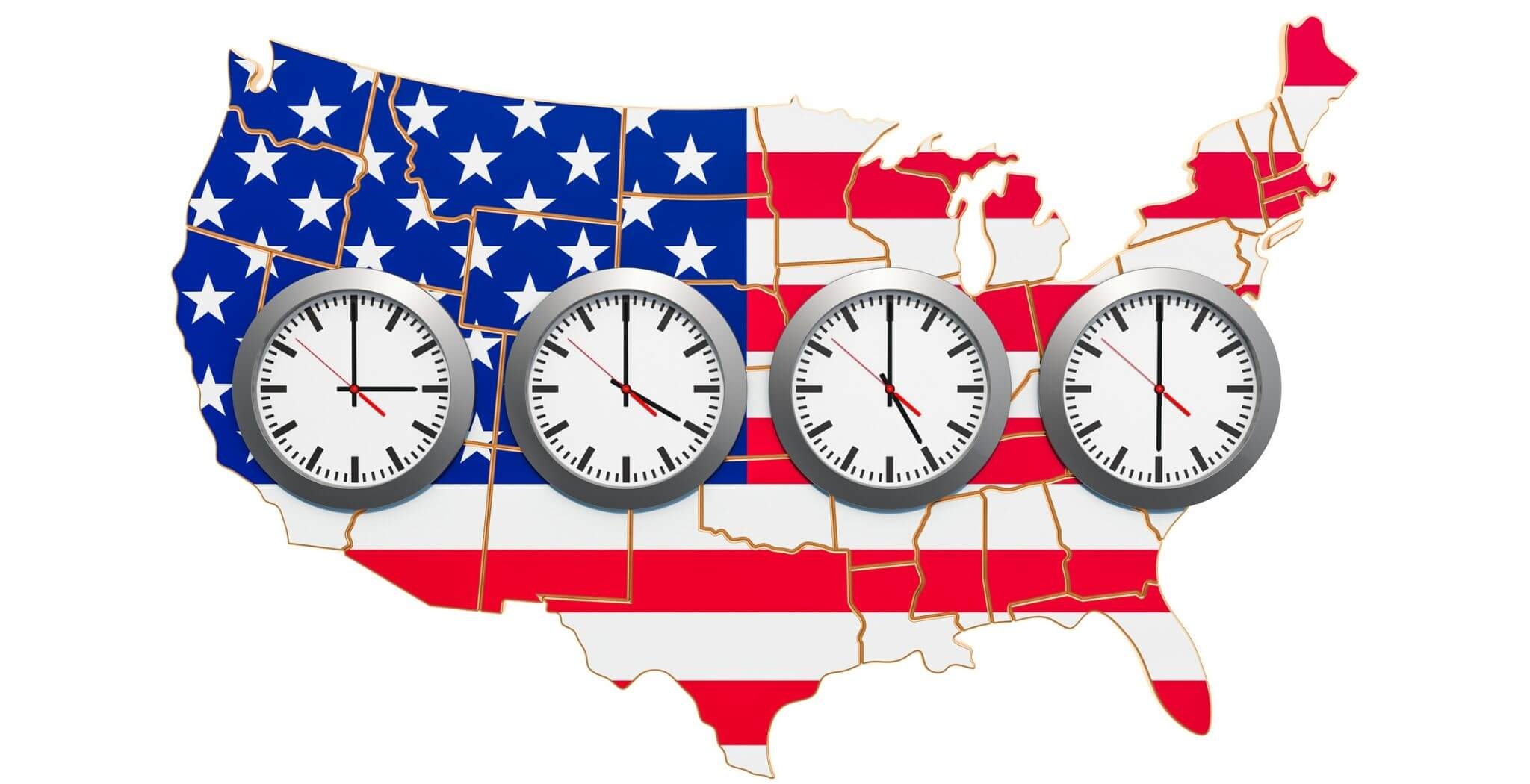
US Time Zones and Offshore Staffing: What Businesses Need to Know When Building Teams in the Philippines
As businesses expand globally, managing operations across multiple time zones has become part of everyday business operations. Customer support, IT services, administrative work, accounting, marketing coordination, and technical support often require teams to remain responsive beyond traditional office hours.
This is one of the reasons many companies are building offshore teams in the Philippines.
The Philippines has become one of the leading offshore staffing destinations for businesses in the US, Australia, and other international markets because of its skilled workforce, strong English communication, remote work readiness, and ability to support flexible schedules.
For businesses working with US clients or operating across American time zones, understanding time zone alignment is important when building offshore teams.
Time zone coordination helps improve:
- Customer response times
- Operational continuity
- Team collaboration
- Deadline management
- Shift scheduling
- Overnight support coverage
- Workflow efficiency
With the right offshore structure, businesses can create scalable operations that maintain productivity across different regions.
Why Time Zones Matter in Offshore Staffing
Many businesses now operate across multiple states, customers, and support windows. Internal teams may work standard local hours, while customers require assistance at different times throughout the day.
Without proper coverage, businesses may experience:
- Delayed customer responses
- Slower technical support
- Missed handovers
- Operational bottlenecks
- Reduced responsiveness
- Increased workload pressure on local staff
Offshore staffing helps businesses extend operational coverage without significantly increasing local staffing overhead.
Philippine offshore teams can support:
- US business hours
- Overnight operations
- Extended customer support
- 24/7 workflows
- Live technical support
- After-hours administration
This allows businesses to maintain continuity while improving operational flexibility.
Understanding US Time Zones
The United States operates across several major time zones. Businesses outsourcing to the Philippines commonly work with clients or teams located in Eastern, Central, Mountain, and Pacific Time.
| US Time Zone | Common Abbreviation | Example Locations | Common Business Functions |
|---|---|---|---|
| Eastern Time | ET | New York, Florida, Washington DC | Finance, healthcare, administration |
| Central Time | CT | Texas, Illinois, Tennessee | Customer support, logistics, operations |
| Mountain Time | MT | Colorado, Arizona, Utah | Regional operations, technical support |
| Pacific Time | PT | California, Washington | Technology, eCommerce, startups |
| Alaska Time | AKT | Alaska | Specialized support operations |
| Hawaii Time | HT | Hawaii | Tourism and hospitality support |
Most offshore staffing operations in the Philippines commonly support ET, CT, and PT schedules.
Philippine Time Compared to US Time Zones
The Philippines follows Philippine Time (PHT), which is UTC+8 and does not observe daylight saving time.
The US changes clocks during daylight saving periods, which affects the time difference throughout the year.
| US Time Zone | During US Standard Time | During US Daylight Saving Time |
|---|---|---|
| Eastern Time | Philippines is 13 hours ahead | Philippines is 12 hours ahead |
| Central Time | Philippines is 14 hours ahead | Philippines is 13 hours ahead |
| Mountain Time | Philippines is 15 hours ahead | Philippines is 14 hours ahead |
| Pacific Time | Philippines is 16 hours ahead | Philippines is 15 hours ahead |
| Alaska Time | Philippines is 17 hours ahead | Philippines is 16 hours ahead |
| Hawaii Time | Philippines is 18 hours ahead | Hawaii usually does not observe daylight saving time |
For businesses, this means US daytime operations often align with evening or overnight schedules in the Philippines.
How Offshore Teams Support US Business Hours

Philippine offshore professionals commonly work schedules aligned with US operations.
Here are examples of typical US schedules converted into Philippine Time.
Eastern Time Schedule Examples
| US Schedule | Philippine Time During DST | Philippine Time During Standard Time |
|---|---|---|
| 8:00 AM to 5:00 PM ET | 8:00 PM to 5:00 AM PHT | 9:00 PM to 6:00 AM PHT |
| 9:00 AM to 6:00 PM ET | 9:00 PM to 6:00 AM PHT | 10:00 PM to 7:00 AM PHT |
| 10:00 AM to 7:00 PM ET | 10:00 PM to 7:00 AM PHT | 11:00 PM to 8:00 AM PHT |
Pacific Time Schedule Examples
| US Schedule | Philippine Time During DST | Philippine Time During Standard Time |
|---|---|---|
| 8:00 AM to 5:00 PM PT | 11:00 PM to 8:00 AM PHT | 12:00 AM to 9:00 AM PHT |
| 9:00 AM to 6:00 PM PT | 12:00 AM to 9:00 AM PHT | 1:00 AM to 10:00 AM PHT |
This flexibility allows businesses to maintain live support coverage while keeping operations aligned with customer demand.
Offshore Staffing Improves Operational Scalability
As businesses grow, operational demands increase quickly.
Many companies begin offshore staffing with:
- One virtual assistant
- A small support team
- Basic customer service coverage
- Administrative assistance
Over time, offshore operations may expand into:
- Customer support departments
- IT helpdesk teams
- Executive assistance
- Bookkeeping and payroll support
- Marketing coordination
- Web development
- Technical operations
This allows businesses to scale support functions gradually without immediately expanding local staffing infrastructure.
Real-Time Collaboration Is Easier Than Ever

Modern offshore staffing relies heavily on cloud-based systems and collaboration tools. Philippine offshore staff commonly work with:
- Microsoft Teams
- Slack
- Zoom
- Google Workspace
- Jira
- ClickUp
- Asana
- HubSpot
- Salesforce
- Cloud-based CRMs
These tools help offshore teams integrate directly into day-to-day business operations.
With proper scheduling and communication systems, offshore staff can:
- Attend live meetings
- Support customer inquiries
- Coordinate across departments
- Handle administrative tasks
- Respond to operational requests in real time
Daylight Saving Time Still Requires Attention
One of the most common scheduling mistakes in offshore operations involves daylight saving time.
Because the Philippines does not change clocks, businesses working with US teams should prepare for time adjustments in:
- March
- November
Best practices include:
- Updating shared schedules
- Confirming recurring meetings
- Using calendar invites with time zones
- Clarifying ET, CT, MT, or PT references
- Reviewing overnight shift schedules
Small scheduling adjustments help prevent confusion and missed meetings.
Best Practices for Businesses Managing Offshore Teams
Businesses building offshore teams in the Philippines should create clear scheduling and communication standards.
Helpful practices include:
- Defining official work schedules
- Using shared calendars
- Documenting time zones clearly
- Creating overlap hours for collaboration
- Clarifying daylight saving adjustments
- Using centralized communication tools
- Setting realistic meeting windows
Good scheduling systems improve workflow consistency and operational efficiency.
The Philippines Continues Leading Offshore Staffing Growth
The Philippines remains one of the most trusted offshore staffing destinations because it offers:
- Skilled professionals
- Strong English communication
- Flexible workforce scheduling
- Remote work readiness
- Cultural compatibility
- Offshore operational experience
- Scalable staffing support
For businesses requiring extended operational coverage, offshore staffing provides a practical way to strengthen support operations while improving flexibility and scalability.
Building Better Offshore Operations Through Smarter Scheduling
Successful offshore staffing depends on more than simply hiring remote employees. Businesses also need clear communication systems, realistic schedules, and operational structures that support collaboration across time zones.
With the right offshore staffing setup, businesses can improve customer support coverage, reduce operational bottlenecks, extend service hours, and scale more efficiently.
For businesses looking to build offshore teams in the Philippines, EVES provides scalable offshore staffing solutions tailored to your required schedules, operational workflows, and business goals.
Contact EVES today to discuss building an offshore team aligned with your business operations.