
Understanding US Holidays and Work Schedules
If you are working with a US-based employer or client for the first time, one of the early surprises is how differently the American work calendar is structured from what most Filipino professionals are used to. The Philippines has its own set of public holidays, fiesta seasons, and long weekends. The US has an entirely different set, and those dates shape when your client expects deliverables, when they are unreachable, when end-of-month deadlines get compressed, and when it is perfectly normal for an email to go unanswered for five days straight.
Getting this wrong creates friction that is easily avoidable. Missing a deadline because you did not realize your US client was out for Thanksgiving week, or sending urgent requests on a day the entire US office is closed, creates a professional impression that has nothing to do with your actual work quality.
Understanding the US holiday and work schedule calendar is a basic professional competency for anyone in an offshore role, and this guide covers everything you need to know.
Federal Public Holidays in the United States
The US has 11 federal public holidays. These are the days when federal government offices, banks, and many large corporations are officially closed. Not every private employer closes on every federal holiday, but most observe the majority of them, and the ones they do not observe are usually noted clearly in employment terms or the employee handbook.
The table below lists all 11 US federal holidays with their 2026 dates, plus a note on how they typically affect your working relationship with a US client.
| Holiday | 2026 Date | Day of Week | What to Expect |
|---|---|---|---|
| New Year’s Day | January 1 | Thursday | Most US offices closed; expect email silence and delayed responses |
| Martin Luther King Jr. Day | January 19 | Monday | Federal and many corporate offices closed; often a three-day weekend |
| Presidents’ Day | February 16 | Monday | Banks and federal offices closed; many businesses remain open |
| Memorial Day | May 25 | Monday | Widely observed; marks the unofficial start of summer; expect reduced staffing |
| Juneteenth National Independence Day | June 19 | Friday | Growing observance across corporate America; increasingly a full day off |
| Independence Day | July 4 | Saturday (observed July 3) | Major holiday; many businesses close the surrounding week or take Friday off |
| Labor Day | September 7 | Monday | Widely observed; marks the unofficial end of summer; expect reduced availability |
| Columbus Day | October 12 | Monday | Banks and federal offices closed; many private businesses remain open |
| Veterans Day | November 11 | Wednesday | Federal and banking closures; private sector varies significantly |
| Thanksgiving Day | November 26 | Thursday | One of the biggest US holidays; most businesses close Thursday and Friday |
| Christmas Day | December 25 | Friday | Most US offices closed; many businesses shut down the week between Christmas and New Year |
A few things stand out in this list. First, US federal holidays almost always fall on Mondays when the actual date falls on a weekend, a practice called “observance.” Second, some of these holidays, particularly Thanksgiving and Christmas, create extended low-productivity periods of several days rather than a single day off. Third, not all US businesses treat Columbus Day and Veterans Day the same way, so it is worth confirming with your specific client which holidays they observe.
The Holidays That Affect Offshore Workflows the Most
Not all US holidays create the same disruption to an offshore professional’s workflow. Some are single-day pauses. Others reshape an entire week or month. Here are the four that Filipino offshore professionals consistently need to plan around most carefully.
Thanksgiving (Late November)
Thanksgiving is arguably the most disruptive holiday of the year for offshore work coordination. Most US businesses close on Thanksgiving Thursday and the Friday immediately after. Combined with the following weekend, this creates a four-day absence window. Many US employees also take off on the Monday, Tuesday, and Wednesday preceding Thanksgiving Thursday to extend it further, which means some clients are effectively unreachable from the weekend before Thanksgiving through the following Monday.
For offshore professionals with month-end or quarter-end deliverables in November, this matters. If your regular approval cycle runs through your US contact, plan to have items submitted for review no later than the Wednesday before Thanksgiving week, or confirm an adjusted timeline in advance.
Christmas and New Year (Late December to Early January)
This is the longest productivity disruption in the US calendar. Many US businesses formally close between Christmas (December 25) and New Year’s Day (January 1), and even those that remain technically open operate with reduced staffing and slower response times. If your work involves approvals, reviews, or any form of sign-off from a US contact, assume that the week between Christmas and New Year is essentially a communication blackout.
Plan accordingly: either complete and submit time-sensitive deliverables before December 22, or confirm with your client exactly who is available and on what schedule during this period.
Independence Day (July 4)
July 4 is a significant national celebration in the US, and many businesses treat the surrounding days as an extended break, particularly when the holiday falls on a Tuesday or Thursday, which creates a natural four-day weekend for many workers. In 2026, July 4 falls on a Saturday, which means most businesses will observe the holiday on Friday, July 3. Expect reduced availability from many US contacts during the first week of July.
Memorial Day (Late May) and Labor Day (Early September)
Both of these Monday holidays mark the bookends of the American summer season, and both have a cultural weight that exceeds what a single day off would suggest. The weeks surrounding Memorial Day and Labor Day often see reduced staffing as US employees take vacation days to extend the long weekend. This is a good time to factor in slower response times and manage your workflow accordingly.
How US Work Schedules Are Structured
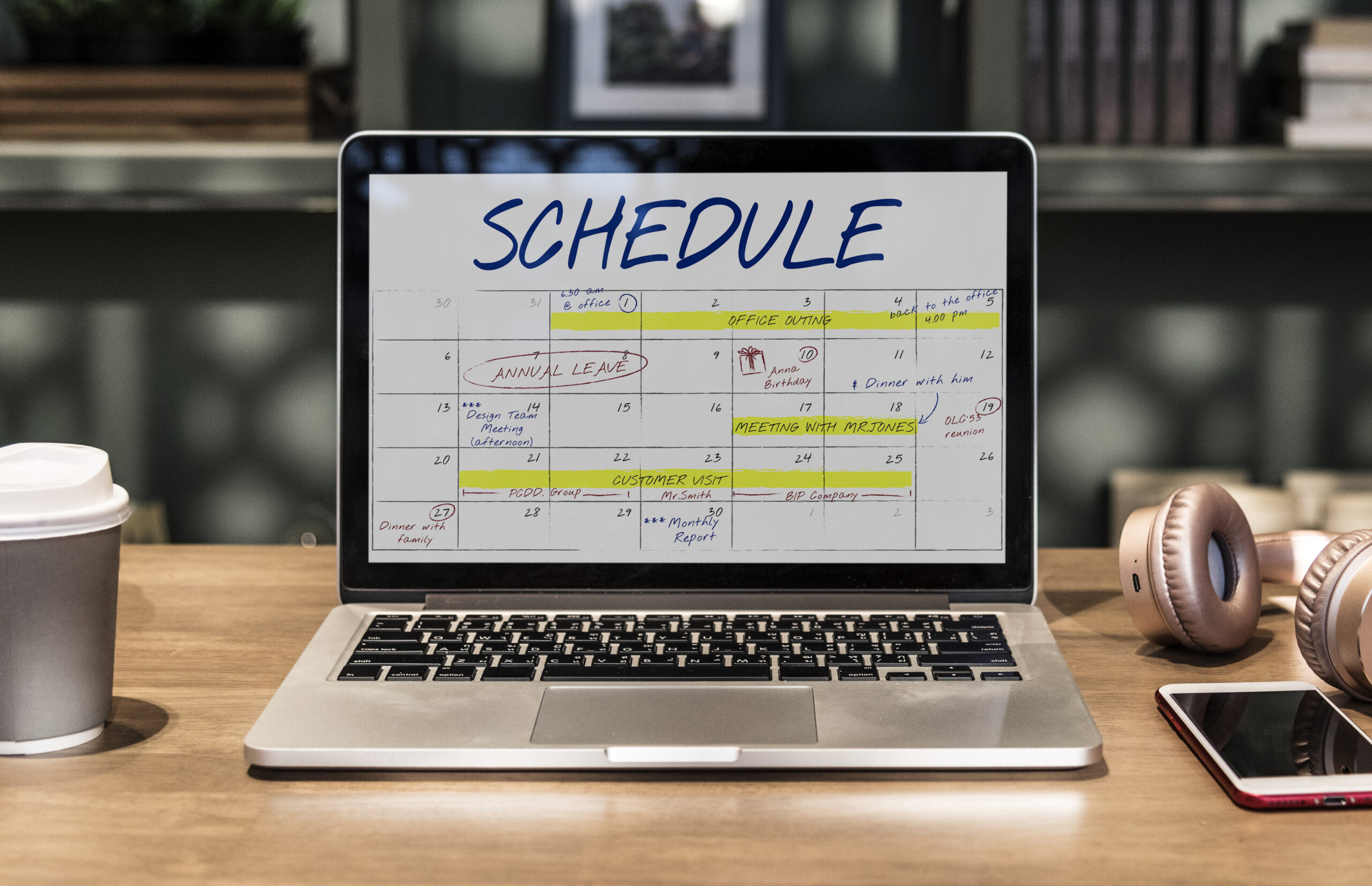
Beyond holidays, the standard US work week has some structural features that are worth understanding if you are used to how Philippine professional culture approaches work time.
The standard work week is Monday to Friday, 9am to 5pm local time. In practice, many corporate environments expect longer hours, particularly in finance, law, consulting, and tech. But the formal structure is a five-day, 40-hour week, and most formal scheduling (meetings, calls, deadlines) is planned within those hours.
Friday afternoons slow down significantly. In many US workplaces, Friday afternoons after 3pm are informally treated as wind-down time. Urgent requests sent Friday afternoon are unlikely to be acknowledged until Monday morning. If you have anything that needs a US response before the weekend, send it Thursday or Friday morning at the latest.
Summer is genuinely slower. From Memorial Day (late May) through Labor Day (early September), US offices run at reduced capacity. Vacations are concentrated in this period. Decision-making slows. Approval cycles stretch. If your work involves time-sensitive tasks that depend on US responsiveness, build more buffer time into your June through August planning.
December is almost entirely consumed by end-of-year activity. The first two to three weeks of December in the US are split between year-end business pushes (budget approvals, annual reviews, final client deliverables) and the Christmas holiday preparation that absorbs significant personal and professional attention. Expect your US contacts to be both busier and less responsive than usual during this period, often simultaneously.
State and Regional Holidays You May Encounter
Beyond federal holidays, individual US states observe their own additional holidays, and some industries have their own closing conventions. While you do not need to memorize every state’s calendar, a few are worth knowing if your client is based in a specific region.
California, New York, and Texas each have unique state holidays. Financial services firms may observe additional bank holidays. Educational institutions operate on a different calendar entirely with semester breaks, spring break (typically in March), and summer holidays that can reduce your contact’s availability significantly.
If you are not sure whether a particular date will affect your client’s availability, asking directly is always the right move. A simple “Are you observing any office closures this week?” goes a long way toward preventing miscommunication.
Adjusting Your Work Rhythm Around the US Calendar
One of the practical skills that distinguishes experienced offshore professionals from those who are new to US-based work is the ability to plan proactively around the American calendar rather than reactively around disruptions.
Here is what that looks like in practice:
Mark all federal holidays on your own calendar at the start of each year. When a major holiday approaches, check in with your US contact one to two weeks beforehand to confirm any adjustments to deadlines or approval timelines. Build your own month-end and quarter-end planning around the US holiday calendar, not just the Philippine one. If November’s deliverables are due on the 30th but your US contact is off for the last week of the month, your effective deadline is the 21st.
The professionals who handle this well do so because they treat the US calendar as a professional input, the same way they treat time zones or communication preferences. It is operational knowledge, and it makes your working relationship with your US employer significantly smoother.
This Is the Kind of Knowledge That Marks a True Professional

Understanding the nuances of US work culture, including when your client is working, when they are not, and how their calendar shapes the flow of business throughout the year, is one of those practical competencies that gets noticed even when it is never explicitly discussed.
When you submit work before a holiday week without being asked, when you proactively flag a scheduling conflict caused by a US public holiday, when you build a timeline that accounts for reduced December responsiveness: these are the behaviors that build the kind of professional trust that leads to longer engagements, expanded responsibilities, and stronger career outcomes.
If you are building your career in offshore work and want to find roles where this kind of professional approach is valued and rewarded, exploring current Job Vacancies in the Philippines through EVES is a strong first step. The roles EVES places Filipino professionals in are with employers who recognize and appreciate the difference between someone who just does the work and someone who understands the full professional context around it.
Make the US Calendar Work in Your Favor
The US holiday and work schedule calendar is not complicated once you know it. But it does require deliberate attention, especially in your first year of working with US-based clients. The professionals who navigate it well are the ones who treat it as a professional responsibility rather than background noise.
Build it into your planning. Communicate proactively around it. Use it to your advantage by delivering ahead of disruptions rather than scrambling after them.
EVES supports Filipino professionals at every stage of their offshore career, from finding the right first role to navigating the practical realities of working with US clients. If you are looking for career guidance or ready to explore new opportunities, the EVES team is here to help.
Get in touch with EVES here and take the next step in building an offshore career that works for you.