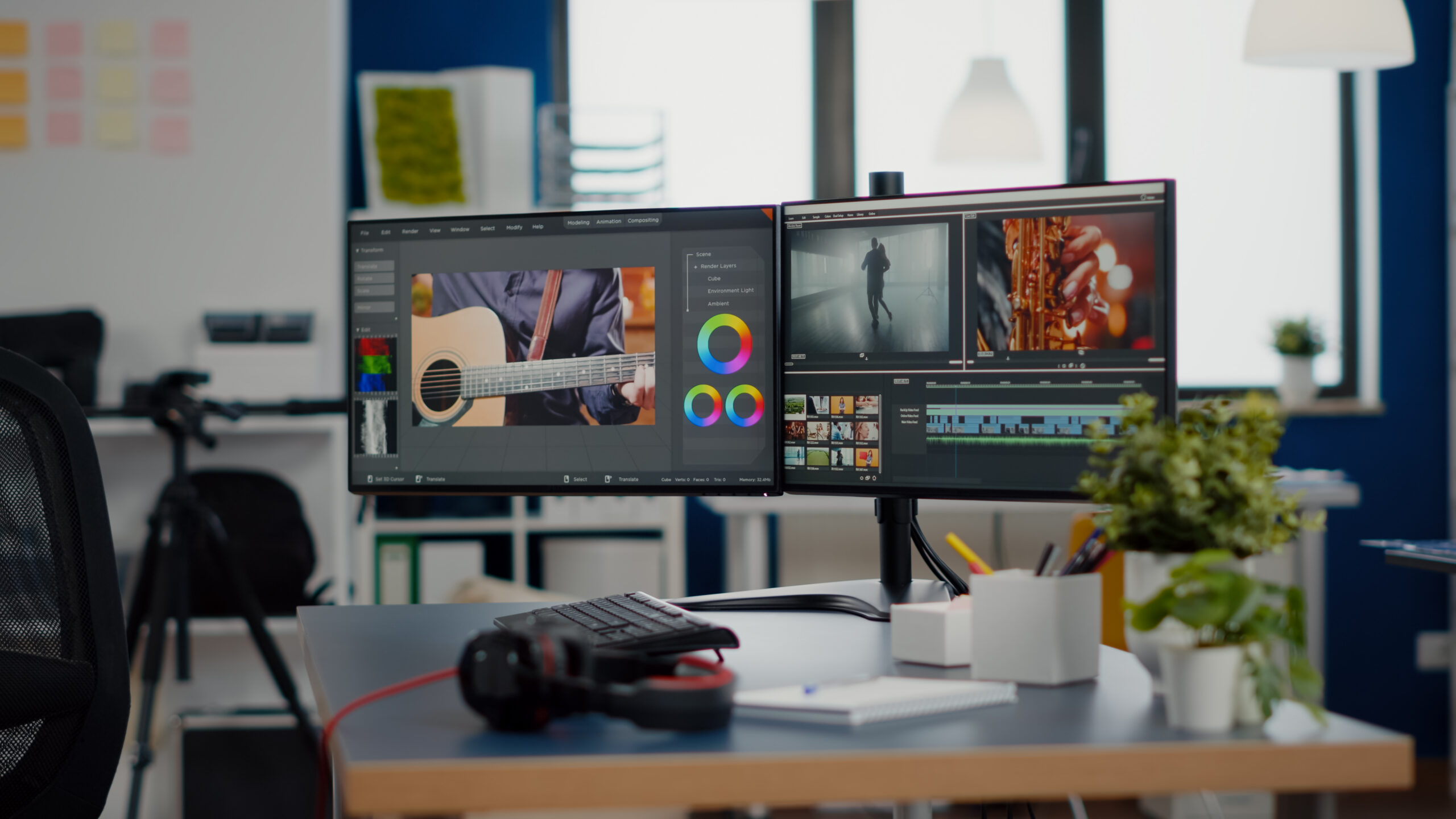
Offshore Video Editors for Short-Form Content (Reels & TikTok)
Short-form video isn’t “extra” content anymore; it’s often the fastest way to earn attention, prove credibility, and drive demand. But Reels and TikTok come with a hidden operational problem: the volume required to win is relentless. One strong edit helps, but consistency is what compounds.
That’s where most teams hit friction. You can have good ideas and decent footage, but if editing becomes the bottleneck, your output stalls. The backlog grows. Trends pass. Campaign windows close. And the cost of spinning up edit support locally can get expensive fast.
Hiring offshore video editors can solve the throughput problem if you treat editing like a system, not a one-off task. This post breaks down how offshore video editing support works for short-form content, what to standardize, how to protect quality, and how to scale output without losing your brand voice.
Why Reels and TikTok demand a different editing approach
Short-form editing is not long-form editing compressed. The format has unique requirements:
- Hook speed: you often have 1–2 seconds to earn the viewer’s attention
- Retention pacing: tight cuts, pattern interrupts, and purposeful motion
- Platform-native style: subtitles, jump cuts, meme timing, sound trends
- Iteration: the best brands publish variations, not single “perfect” videos
- Volume: performance comes from repeated testing and learning
The result is predictable: the teams that win tend to run a repeatable weekly cycle, film, edit, publish, learn, repeat, without output collapsing under workload.
Where editing bottlenecks usually start

Most growing teams experience the same choke points:
Inconsistent capacity
Freelancers can be great, but availability fluctuates. Agencies have queues. Internal editors get pulled into other priorities.
If you’re deciding between flexible freelancers and long-term reliability, explore our detailed comparison of offshore video editing vs freelancers to see how cost, consistency, and turnaround differ in real-world scenarios.
Slow feedback loops
Revisions take days because the editor isn’t embedded in your workflow, time zone overlap is limited, or requirements aren’t standardized.
Lack of repeatable templates
When every video is treated as a new creative reinvention, your team spends more time reinventing than publishing.
This is where a dedicated offshore model can help, because the goal isn’t just cheaper edits, it’s reliable editing capacity that keeps your publishing cadence stable.
EVES supports this model by helping businesses build dedicated offshore teams in the Philippines designed to integrate into existing operations.
What Offshore Video Editors Can Take off Your Plate
Offshore editors can own a large portion of the short-form workflow once standards are in place, including:
- Selecting best takes from raw footage (based on your rules)
- Tight-cut edits for pacing and retention
- Subtitle styling and placement
- B-roll overlays and screen recordings
- Sound syncing and platform formatting (9:16, safe zones)
- Thumbnail frames and cover exports
- Batch versioning (hook variants, CTA variants, caption variants)
Offshore video editors can support everything from short-form storytelling to high-volume social content production. With the right structure in place, businesses gain consistent editing capacity that integrates directly into their internal workflow. Dedicated offshore editors work exclusively with your team, follow your creative direction, and execute against your brand standards – ensuring speed without sacrificing quality.
The Difference Between “Outsourced Edits” and a Dedicated Offshore Editor
Short-form output becomes easier when your editor understands your content style deeply.
With a dedicated offshore editor, you’re not briefing from zero each time. They learn:
- your hook patterns that hold attention
- your pacing preferences (tight vs conversational)
- your brand caption style and subtitle rules
- your product/service proof points and tone
You can build a full-time offshore video editing team that works exclusively for your business and integrates directly into your workflow. That dedicated structure allows editors to fully understand your brand, content style, and performance goals, which is what makes the process compound over time.
A Practical Workflow that Scales Short-form Editing

If you want offshore editing to work smoothly, the workflow matters more than the toolset. A scalable setup usually includes:
1) A simple intake system
Even a shared form or board can work. Include:
- video goal (awareness, lead gen, authority, retention)
- target length (10-20s, 20-35s, 45-60s)
- hook direction (question, bold claim, quick story)
- required CTA and any on-screen text
- reference examples (your best-performing videos)
2) A brand editing guide (one page is enough)
Define:
- subtitle font, size, and styling
- emoji usage rules (or none)
- pacing rules (how often to cut)
- b-roll style (stock, recorded, screenshots)
- music approach (trending vs low background)
- what “too much” looks like
3) A feedback format your editor can execute quickly
Instead of vague comments, use:
- timestamped notes
- examples of what you want
- “must fix” vs “nice to improve”
- one owner who approves final versions
4) A weekly production cadence
A simple model:
- Day 1-2: filming + uploading
- Day 2-4: edits + revisions
- Day 5: publishing + scheduling + performance review
- Day 6-7: plan hooks and topics based on results
What Tools Offshore Video Editors Typically Use
Your editor should work in whatever fits your brand and speed targets. EVES lists common editing tools including Premiere Pro, Final Cut, DaVinci Resolve, After Effects, CapCut, and more.
For short-form, CapCut is popular for speed; Premiere/Resolve are great for heavier workflows; After Effects supports advanced motion elements. The “best” tool is the one that keeps turnaround fast without quality slipping.
A Comparison That Makes Planning Easier
Below is a simple way to think about roles and responsibilities so nothing falls through the cracks.
| Workflow Stage | What You Provide | What the Offshore Editor Delivers | QC Checkpoint |
|---|---|---|---|
| Content plan | Weekly topics + goals + examples | Confirms batch list + clarifies gaps | One list owner signs off |
| Raw footage | Labeled clips (or folders per video) | Selects best takes based on rules | “Selects” reviewed for 1–2 videos early on |
| First cut | Hook direction + length target | Tight-cut edit + subtitles + pacing | Hook strength + retention pacing |
| Revisions | Timestamped notes | Revised cut + exported versions | Brand style + accuracy |
| Variations | What to test (hook/CTA) | 2–5 variants per top ideas | Consistency across versions |
| Publishing assets | Cover frame rules | Cover exports + final 9:16 files | Platform-safe layout |
When it Makes Sense to Hire Offshore for Reels and TikTok
Offshore editing is a strong fit when:
- you want consistent weekly output (not occasional posting)
- you’re testing multiple hooks and angles
- your internal team is stretched and needs throughput
- you want faster iteration cycles without rising local overhead
For many brands, the turning point is realizing the backlog isn’t a creative problem; it’s a capacity problem. That’s where teams decide to hire an offshore video editor from the Philippines so they can publish consistently and keep creative testing moving week after week.
How to Protect Quality While Scaling Output
Scaling output doesn’t mean lowering standards. It means codifying them.
Build a “gold standard” library
Give your editor:
- your top 10 videos (and why they performed)
- 3-5 “do not do this” examples
- a template pack (subtitle styles, brand elements)
Use light metrics, not opinion wars
Track:
- turnaround time
- revision cycles per video
- publish cadence
- retention (3-second view rate, average watch time where available)
Keep creative direction centralized
One person should own final approval so feedback doesn’t fragment.
Dedicated offshore team members work directly under your direction, integrating into your workflow while you retain full ownership of strategy, creative decisions, and final approvals. This structure ensures execution stays consistent without removing control from your internal team.
Make Short-form a System, Not a Scramble
Short-form content rewards speed, learning, and consistency. If editing is the constraint, you’ll always feel behind, no matter how good your ideas are.
A dedicated offshore editor can remove that constraint by giving you dependable capacity, a repeatable workflow, and faster iteration cycles. EVES supports this by helping companies build offshore teams in the Philippines with structured processes and ongoing performance support.
If you’re ready to scale Reels and TikTok output with a dedicated offshore video editor who integrates into your workflow, contact EVES to discuss your content goals, tool preferences, and the right team structure for consistent weekly production.