
How to Train and Monitor Offshore Admin Teams
Offshore administrative teams play a critical role in helping businesses scale efficiently. From data entry and scheduling to customer support and reporting, offshore admin staff handle essential operational tasks that keep organizations running smoothly.
However, the success of offshore teams depends heavily on how well they are trained and managed. Without proper onboarding, clear expectations, and consistent monitoring, businesses may experience productivity gaps, quality issues, or communication breakdowns.
In this guide, we’ll walk through how to effectively train and monitor offshore admin teams, outlining proven strategies, tools, and frameworks that support long-term success. Whether you’re new to offshore staffing or looking to improve an existing setup, these insights will help you build reliable, high-performing teams.
Why Training and Monitoring Offshore Admin Teams Matters
Offshore admin teams operate remotely, often across time zones and cultural contexts. This makes structured training and performance oversight even more important than with in-house staff.
Effective training and monitoring:
- Reduce errors and rework
- Improve task consistency and quality
- Increase accountability and ownership
- Strengthen communication and trust
- Support long-term retention and performance
Without proper systems in place, even skilled offshore professionals can struggle to meet expectations.
Laying the Foundation: Clear Roles and Expectations
Before training begins, businesses must establish clarity around roles and responsibilities.
Define the Scope of Work
Every offshore admin role should have:
- A detailed job description
- Clear task ownership
- Defined priorities
- Expected turnaround times
- Quality standards
Ambiguity leads to inconsistent output and frustration on both sides.
Document Processes Early
Documenting workflows ensures consistency and reduces reliance on verbal instructions. Process documentation should include:
- Step-by-step task instructions
- Tools and systems used
- Escalation procedures
- Examples of completed work
This documentation becomes the backbone of effective back office training.
Building an Effective Training Program
Training offshore admin teams should be structured, repeatable, and aligned with business goals.
1. Structured Onboarding
Onboarding sets the tone for long-term performance. A strong onboarding process includes:
- Introduction to the company and its values
- Overview of workflows and tools
- Clear communication expectations
- Access to SOPs and training materials
Avoid overwhelming new hires. Training should be phased and prioritized.
2. Task-Based Training
Rather than broad explanations, training should focus on specific tasks.
Best practices include:
- Demonstrating tasks step by step
- Providing sample outputs
- Allowing practice with feedback
- Gradually increasing responsibility
This approach helps admin staff gain confidence and accuracy more quickly.
3. Use of SOPs and Knowledge Bases
Standard Operating Procedures (SOPs) ensure consistency across teams and time zones.
Well-written SOPs:
- Reduce dependency on managers
- Speed up onboarding for new staff
- Maintain quality during scaling
- Support accountability
SOPs should be updated regularly as processes evolve
Scaling Offshore Admin Teams Successfully

As businesses grow, offshore admin teams often expand alongside operational demands. With back office outsourcing in the philippines, structured training and clear performance frameworks are essential to maintaining consistency across distributed teams. When training systems are standardized, businesses can scale administrative support without sacrificing quality or control.
Monitoring Offshore Admin Performance Effectively
Training alone isn’t enough; ongoing monitoring ensures expectations are met consistently.
1. Set Clear Performance Metrics
Define measurable KPIs based on the role, such as:
- Task completion time
- Accuracy rates
- Volume of work handled
- Responsiveness
- Compliance with procedures
Metrics provide objective benchmarks and reduce subjective evaluations.
2. Use Task and Workflow Management Tools
Project management platforms help track progress and accountability.
Effective tools allow managers to:
- Assign tasks clearly
- Monitor status updates
- Review completed work
- Identify bottlenecks early
These tools create visibility without micromanagement.
3. Schedule Regular Check-Ins
Consistent communication keeps teams aligned.
Recommended cadence:
- Daily or weekly task updates
- Weekly or biweekly performance reviews
- Monthly feedback and improvement discussions
Check-ins should focus on progress, challenges, and improvement, not just oversight.
Balancing Oversight with Trust
One common mistake is over-monitoring offshore teams. Excessive oversight can reduce morale and productivity.
Instead:
- Focus on outcomes, not activity
- Encourage autonomy once standards are met
- Use monitoring to support, not control
Trust grows when expectations are clear and performance is measured fairly.
| Area | Purpose | Examples |
|---|---|---|
| Project Management | Task tracking & accountability | Asana, ClickUp, Trello |
| Documentation | SOPs & training resources | Notion, Google Docs |
| Communication | Team alignment | Slack, Microsoft Teams |
| Performance Tracking | KPI visibility | Dashboards, reports |
Common Mistakes to Avoid
When training and monitoring offshore admin teams, avoid these pitfalls:
- Inconsistent instructions
- Lack of documentation
- No performance benchmarks
- Relying solely on verbal feedback
- Delayed issue resolution
- Treating monitoring as surveillance
Avoiding these mistakes strengthens both performance and retention.
Continuous Improvement Through Feedback
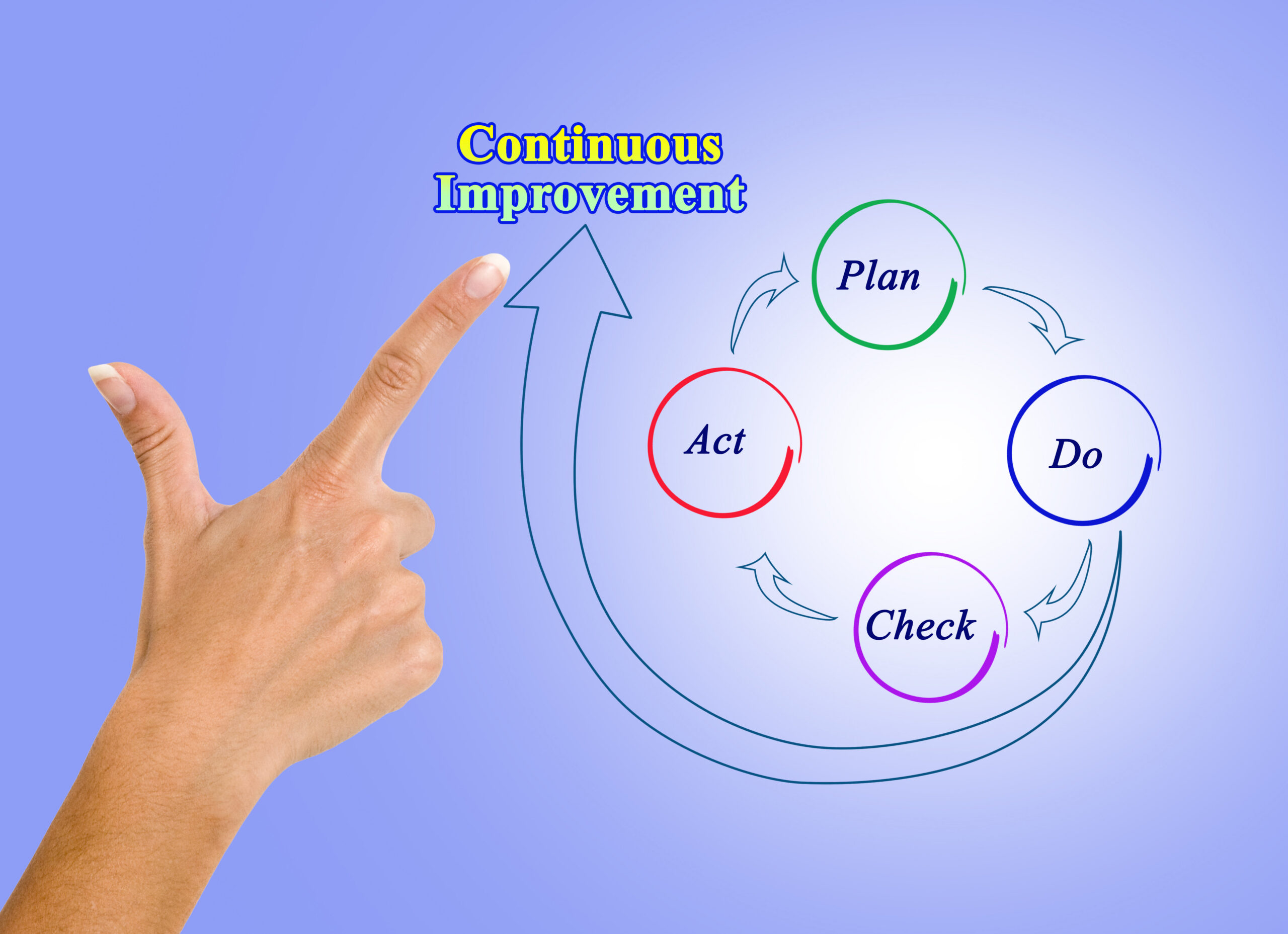
Effective offshore teams improve continuously when feedback is structured and constructive.
Best practices include:
- Regular performance reviews
- Clear action items
- Recognition of strong performance
- Ongoing training updates
Feedback should be timely, specific, and actionable.
Why EVES Supports Long-Term Offshore Success
At EVES, we understand that offshore admin success depends on more than just hiring talent. Our approach emphasizes structured onboarding, clear documentation, and ongoing performance support.
We help businesses by:
- Designing scalable training frameworks
- Supporting effective back office training
- Aligning admin teams with business goals
- Providing visibility and accountability
- Supporting long-term productivity and retention
Our focus is on building reliable offshore teams that integrate seamlessly into your operations.
Strong Systems Drive Strong Teams
Training and monitoring offshore admin teams isn’t about control, it’s about clarity, consistency, and support. When businesses invest in structured training, clear documentation, and fair performance monitoring, offshore teams deliver reliable, high-quality results.
Strong systems empower offshore admin professionals to perform at their best while giving businesses confidence and control.
If you’re looking to strengthen your offshore admin operations with proven training and monitoring frameworks, EVES can help.
Contact EVES today to learn how our offshore and back office solutions support efficient, scalable administrative teams built for long-term success.